 English
 中文简体
 عربى
 Español


Getting the popcorn-to-kernel ratio right is the difference between a fluffy bowl and a half-burned batch. If you have ever asked how many kernels to put in a popcorn machine, you are not alone. Many first-time owners assume more kernels means more popcorn, but every machine has a comfortable operating range. The short answer depends on three things: your machine’s kettle size, whether it is hot-air or oil-based, and how many people you need to feed. In this guide, we break down practical measurements for home and commercial machines so you can stop guessing and start snacking.
Why the Right Kernel Amount Matters
Why does a simple measurement make such a difference? Too few kernels leave the heating surface partially uncovered, so the heat spreads unevenly. Some kernels pop while others sit in a cool spot and stay hard. Too many kernels, on the other hand, crowd the kettle. The outer kernels may pop and push the still-unpopped ones away from the heat, resulting in half-popped pieces and scorched hulls. A correctly filled kettle lets each kernel reach the hot surface, expand, and tumble out of the way as the stirring arm rotates. That physical movement is essential for crispy, evenly cooked popcorn.
Overfilling also wreaks havoc on the machine. Steam and oil can push past the lid, dripping onto the counter or causing a sticky mess. With a hot-air popper, too many kernels block the air stream and the motor works harder than it should. So the right kernel amount is not only about better popcorn; it is also about protecting the machine and avoiding unnecessary cleaning.
Factors That Affect Your Kernel Measurement
To answer how many kernels for your popcorn machine accurately, look at these four factors.
Hot-Air vs. Oil Kettle
Hot-air machines circulate a strong stream of heated air around the kernels, so they need enough room for the air to flow freely. A typical home hot-air popper performs best with 1/4 to 1/2 cup of kernels per batch. Overfilling the chamber slows the airflow and produces a dense, chewy texture. Oil kettles rely on direct contact with heated metal and a stirring rod. They can manage slightly larger loads, but the stirring arm still needs space to move. Never fill an oil kettle beyond one-third to one-half full, or the kernels will ride up over the edge.
Kettle Capacity in Ounces
Commercial models usually state their kettle capacity in ounces: 4 oz, 6 oz, 8 oz, 12 oz, or 16 oz. That figure is the maximum weight of unpopped kernels the kettle can safely hold. Home machines rarely come with this number, but you can estimate by measuring the chamber volume. Fill it halfway with water, pour that water into a measuring cup, and convert the total volume to ounces. That gives you a rough kettle size in fluid ounces, which closely matches kernel weight capacity for practical purposes.
Kernel Type and Freshness
Butterfly kernels are wider when popped, so they fill the chamber sooner; mushroom kernels are rounder and pack more tightly. Fresh kernels absorb oil and heat better, so they can handle a slightly larger load. If your kernels are old or dry, cut the batch size by about 15% and let them warm to room temperature before popping.
How Many Kernels for Popcorn Machine by Kettle Size
The table below provides practical starting points. If your machine has a fill line, always trust the fill line over the table. Otherwise, use these values as a baseline and adjust after your first batch.
| Kettle Size | Kernels (Cups) | Kernels (Weight) | Approx. Popped Yield |
|---|---|---|---|
| 4 oz | 1/2 cup | 4 oz / 113 g | About 12 cups |
| 6 oz | 3/4 cup | 6 oz / 170 g | About 18 cups |
| 8 oz | 1 cup | 8 oz / 227 g | About 24 cups |
| 12 oz | 1 1/2 cups | 12 oz / 340 g | About 36 cups |
| 16 oz | 2 cups | 16 oz / 454 g | About 48 cups |
For a home machine that does not list a kettle size, begin small: 1/4 cup for compact poppers, 1/2 cup for medium-size chambers, and 1 cup only if the maker identifies a large kettle or you have successfully tested a smaller load. Keep an eye on the cycle time. Most machines finish a batch in 2 to 4 minutes. If steam appears too early, reduce the next batch by a couple of tablespoons.
How to Measure Kernels Without a Scale
Not every kitchen scale is ready for kernel duty, but you do not need one. A standard dry measuring cup works well for most recipes.
- Scoop kernels into a dry measuring cup and level it off with a knife or spoon. Do not pack them down; the weight will vary less than 2% across brands.
- Remember that one level cup of popcorn kernels weighs about 8 oz / 227 g. So a 4 oz batch is half a cup, and a 6 oz batch is three-quarters of a cup.
- If you lost the cup, use a cupped handful. For an average adult hand, that is about 1/4 cup.
- The scoop that comes with many popcorn machines is usually equal to 1/4 cup. Use it to build a quick mental image of your machine's capacity.
- When precision matters, use a kitchen scale. Weigh the kernels in grams, and you will always know exactly how many kernels are needed for your next batch.
Common Mistakes and Tips
Even with the perfect kernel amount, a few small habits make a big difference between professional-quality popcorn and a burnt pan.
- Filling the kettle to the brim: always leave headspace for popped corn to escape. A full kettle traps steam and causes soggy or chewy popcorn.
- Using the wrong oil with a hot-air machine: hot-air poppers are designed to work without oil. Adding oil can damage the fan and create smoke.
- Skipping the preheat cycle: most oil kettles need a couple of minutes to reach temperature. Cold oil at the start means slow, uneven popping.
- Opening the lid while the machine is still running: hot steam and oil splatter can burn you. Switch off the machine and wait about 30 seconds before lifting the lid.
- Forgetting to clean the kettle between batches: leftover hulls and oil residue turn bitter and burn on the next cycle. A quick wipe after cooling keeps flavors clean.
If you are new to this countertop appliance, our step-by-step popping guide explains the full cycle from preheat to seasoning.
Choosing the Right Popcorn Machine for Your Batch Size
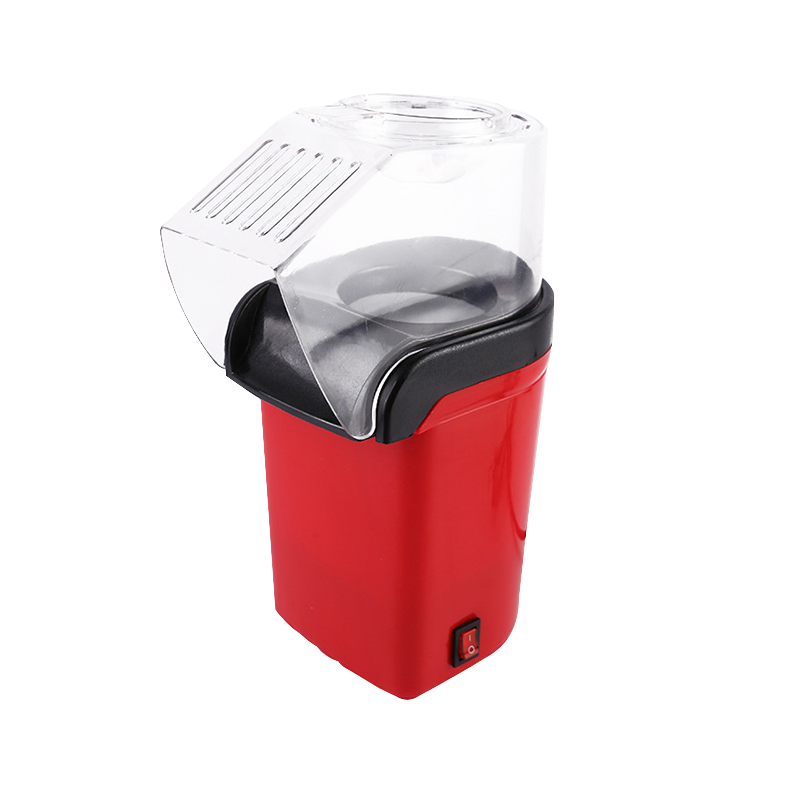
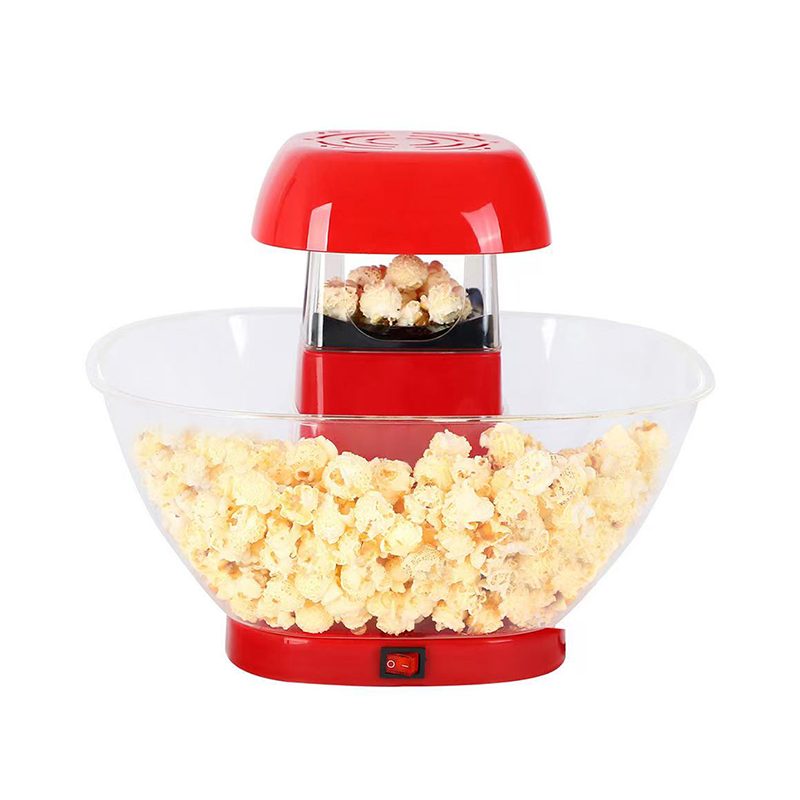
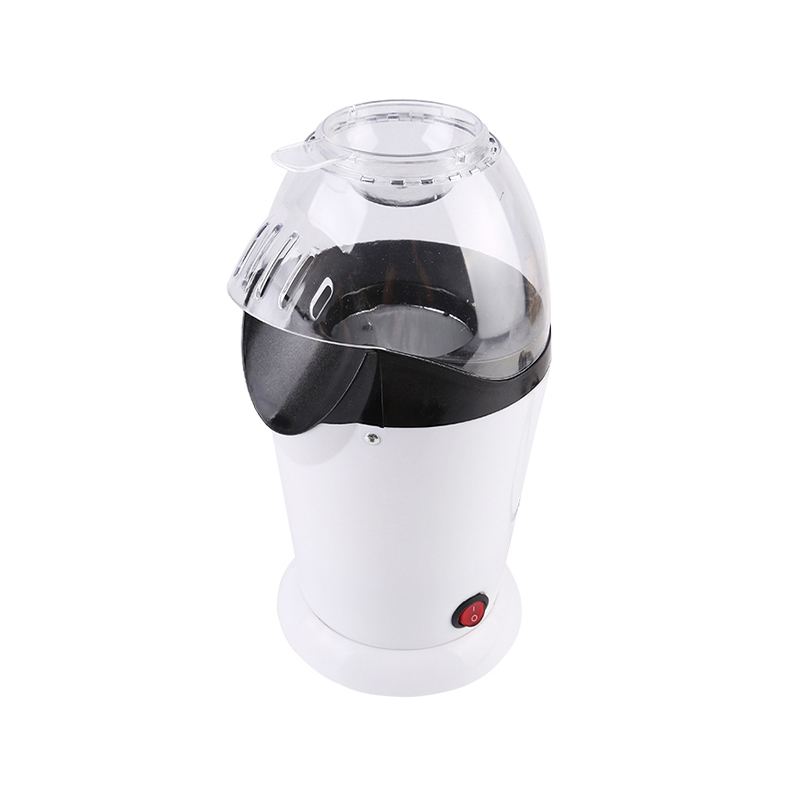
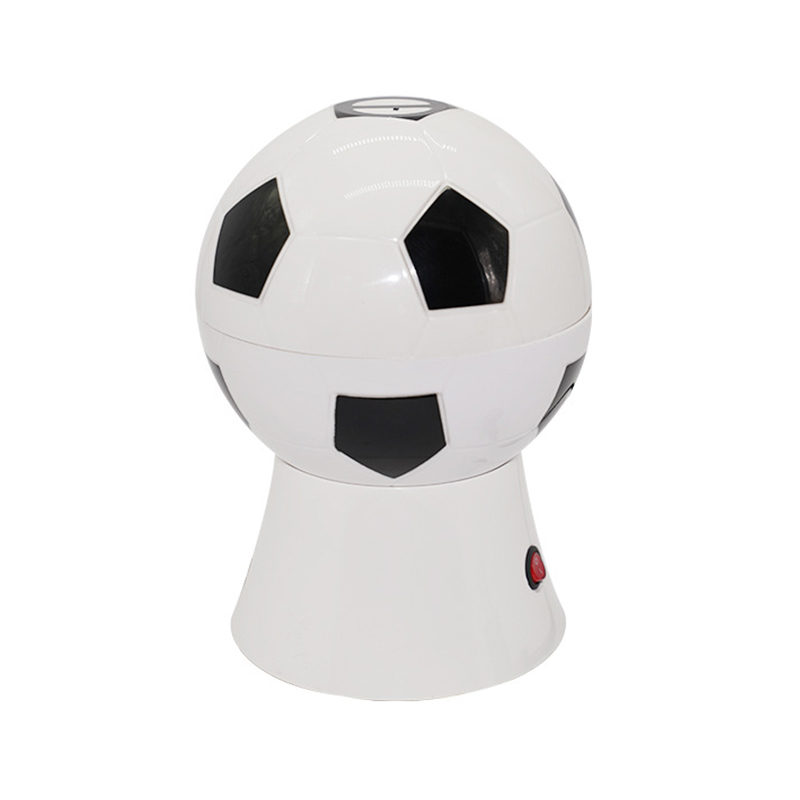
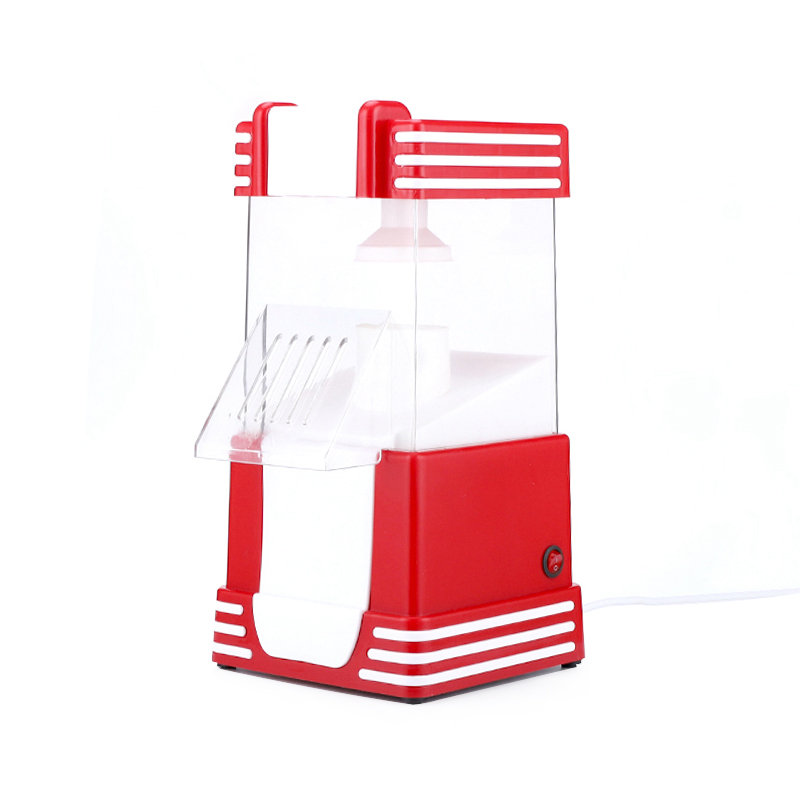
Choosing a machine that matches the amount of popcorn you usually make is just as important as measuring kernels correctly. For busy households and casual movie nights, a compact hot-air machine is a forgiving choice. Simply add about 1/4 cup of kernels, press start, and let the hot air circulate. You get a light, oil-free snack without any measuring guesswork. Our PM1208 model is one such machine, built with a transparent chamber so you can watch the popping process and stop the cycle when the pops slow down.
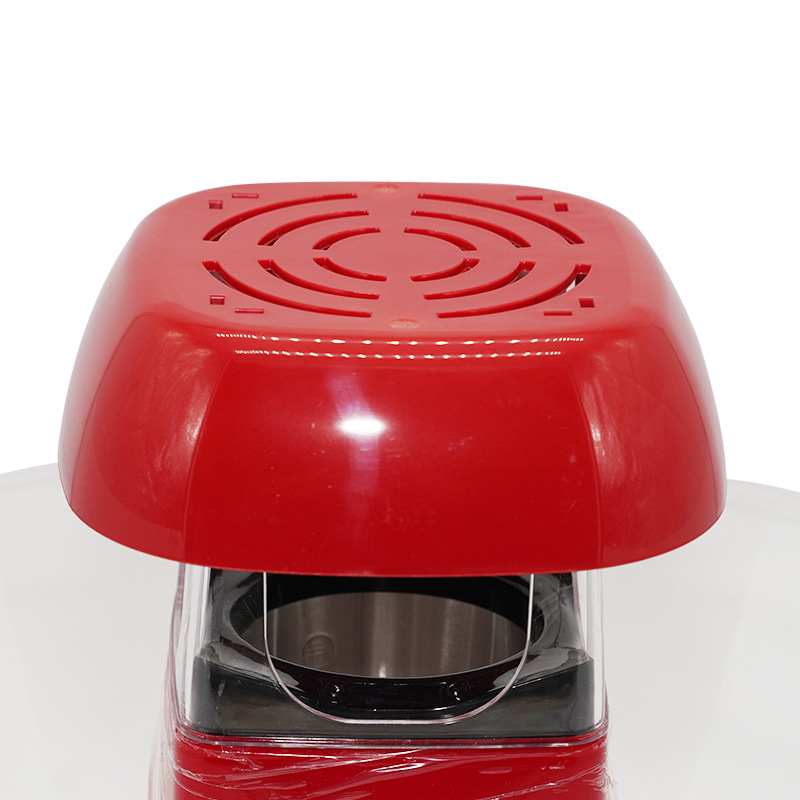 Compact Hot-Air Popcorn Machine with Transparent ChamberThis oil-free home popper uses hot air for light snacks, featuring a transparent chamber to watch kernels pop and a simple one-button operation.View Product →
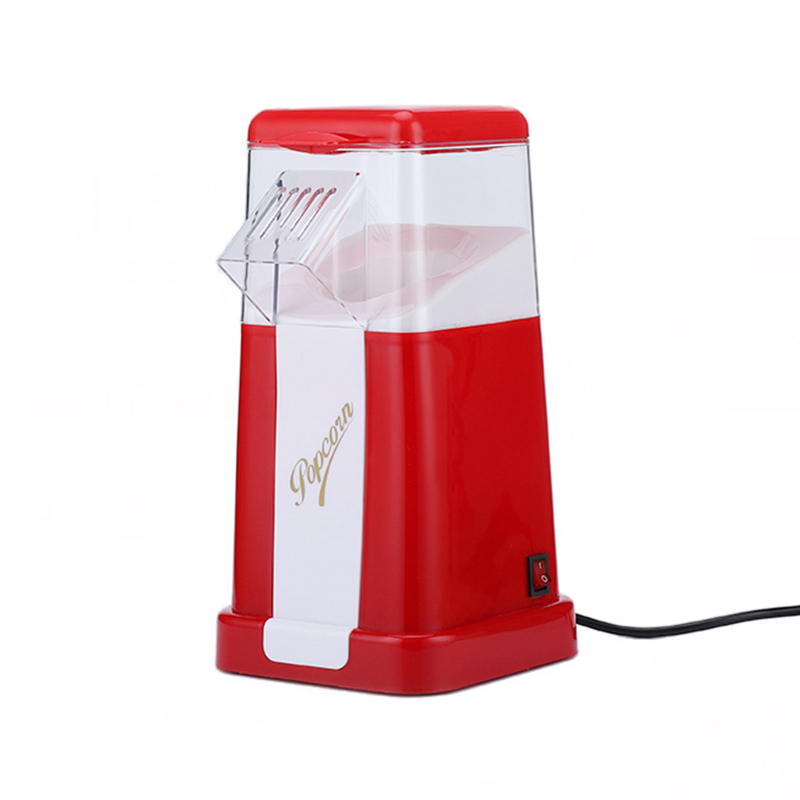
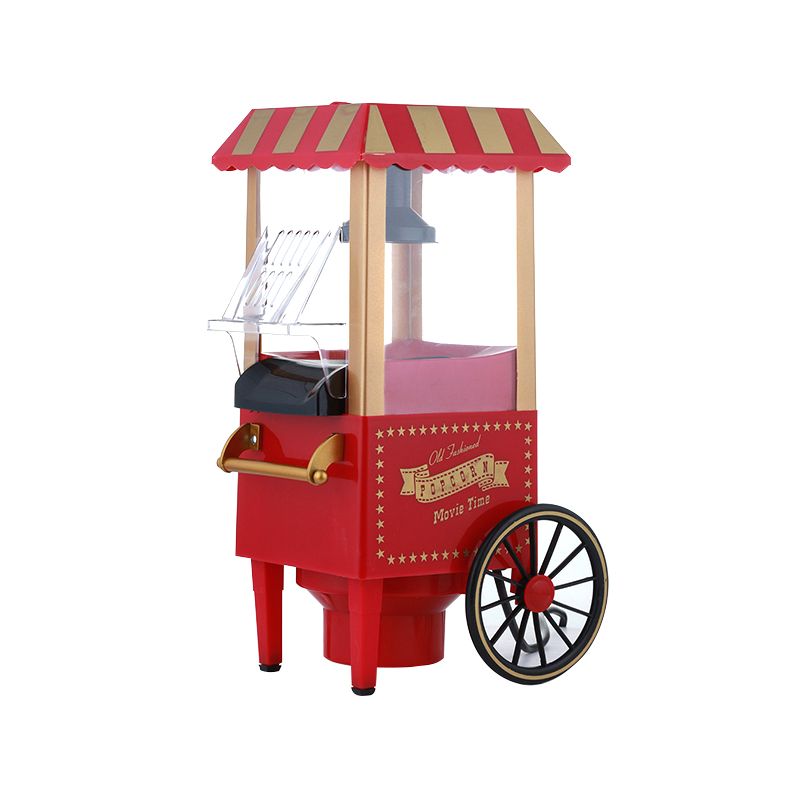
On the other hand, if you love the rich, buttery flavor of movie-theatre popcorn, choose an oil-based tabletop machine with an aluminum pan. These machines deliver a crispy texture that hot-air poppers cannot quite match. Use around 1/2 cup of kernels for most home models and let the stirring rod carry the rest of the work. The classic red aluminum pan design is a favorite among home users because it looks like vintage cinema equipment and cleans up quickly.
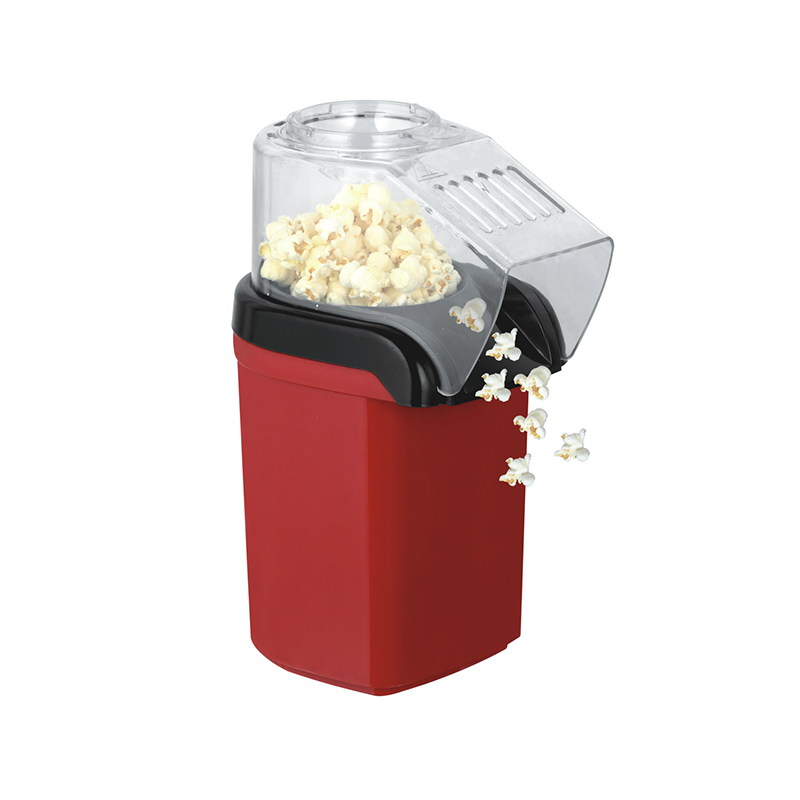 Classic Red Aluminum Pan Popcorn MachineAn oil-based tabletop popper with a vintage red aluminum pan, delivering crispy movie-theatre style popcorn for home use and small gatherings.View Product →
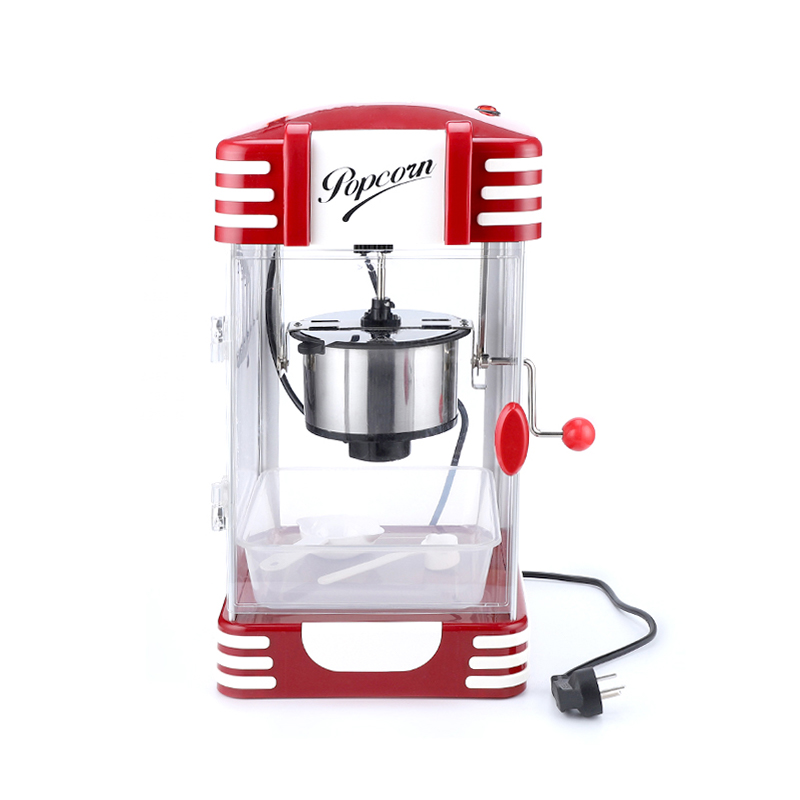
But if you are catering a birthday party, school fair, or small concession stand, a commercial-style popcorn machine is the smarter investment. An 8 oz kettle lets you produce about 24 cups in a single cycle, and the larger footprint gives you enough counter space for a warm display. For these machines, the best starting point is one full cup of kernels, enough to cover the bottom of the kettle without crowding it.
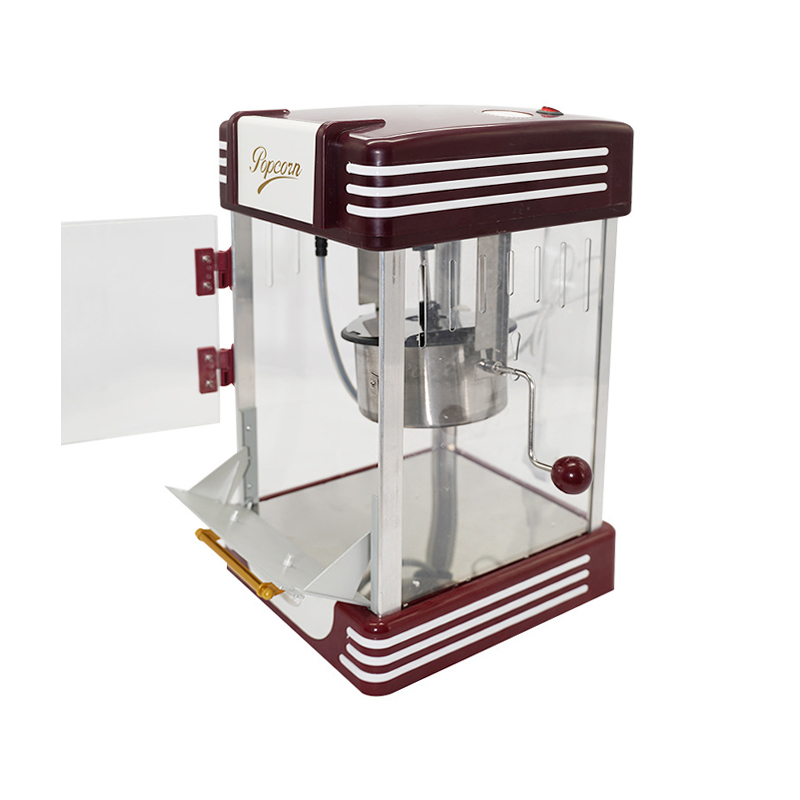 Commercial Popcorn Machine for High-Volume VenuesA sturdy 320W machine with a large 570ML kettle, ideal for cinemas and snack stands, popping 40g of corn in about three minutes.View Product →
Whatever batch size you prefer, a well-matched machine will save kernels, oil, and clean-up time. Browse the complete popcorn machine lineup on our site to compare dimensions and features. If you have a specific retail or branded product in mind, our design team can customize the housing, colors, packaging, and even the plug type to match your market.
Final Thoughts
Start with a modest kernel load, listen to how your machine pops, then fine-tune. For most home machines, try 1/4 to 1/2 cup of kernels per batch. For an 8 oz commercial kettle, use one cup; for a 12 oz kettle, use one and a half cups. Keep the kernels fresh and the kettle clean, and your popcorn machine will reward you with fluffy, delicious batches every time. That is the real answer to the question of how many kernels to put in a popcorn machine: start small, watch the pop speed, and adjust until you find your machine's sweet spot.