 English
 中文简体
中文简体 عربى
عربى Español

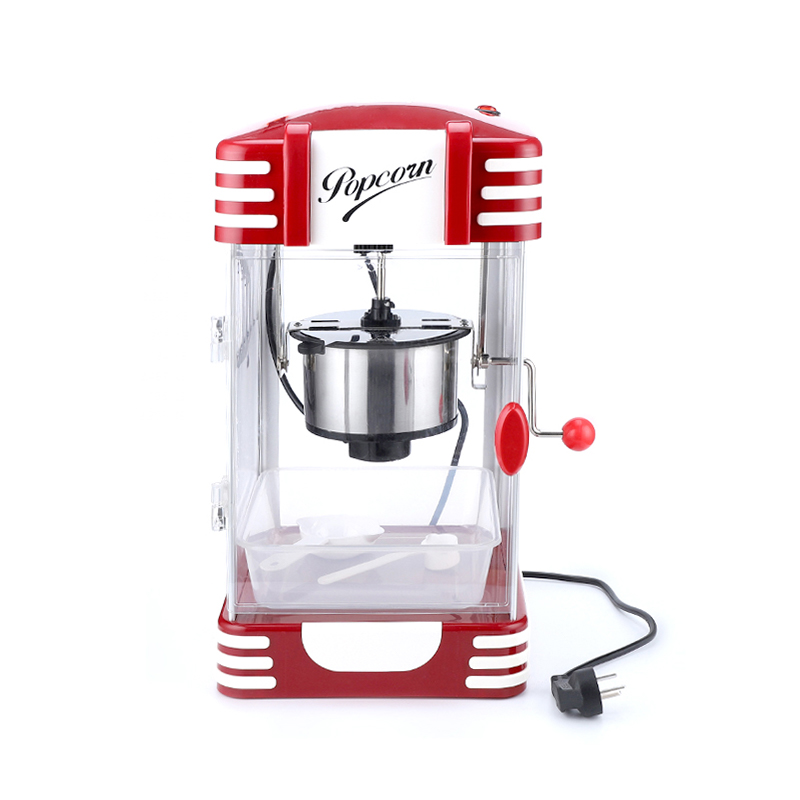
Using a popcorn machine is straightforward: add oil and kernels to the kettle, turn on the heat and stirrer, wait 3–4 minutes for popping to slow, then open the kettle door to release the popcorn into the cabinet. Whether you're using a home countertop model or a commercial machine at a theater-style event, the core process is the same. This guide walks you through every step, from first-time setup to cleaning.
What You Need Before You Start
Before operating a popcorn machine, gather the right supplies. Using incorrect ingredients or skipping preheat steps are the most common causes of poor results.
Essential Supplies
- Popcorn kernels – Use fresh, dry kernels. Stale kernels result in lower pop rates (sometimes as low as 50% vs. 98%+ with fresh kernels).
- Popcorn oil – Coconut oil is the most popular for commercial machines; canola or sunflower oil also works. Avoid butter during popping—it burns at high temperatures.
- Popcorn salt – Finely ground "popcorn salt" adheres better than regular table salt.
- Measuring spoon or scoop – Most machines include a combination kernel/oil scoop for accurate portions.
Recommended Oil-to-Kernel Ratio
| Kettle Size | Oil Amount | Kernel Amount | Yield (approx.) |
|---|---|---|---|
| 4 oz (home) | 1 tbsp | ½ cup (4 oz) | ~4 cups |
| 8 oz (mid-size) | 2–3 tbsp | 1 cup (8 oz) | ~8–10 cups |
| 16 oz (commercial) | 5–6 tbsp | 2 cups (16 oz) | ~20–22 cups |
Step-by-Step: How to Use a Popcorn Machine
Follow these steps in order. Skipping the preheat or overloading the kettle are the two most frequent mistakes beginners make.
- Plug in the machine and turn on the kettle heater and stirrer switch. Allow it to preheat for 3–5 minutes. The kettle should feel hot to the touch near the base.
- Add oil to the kettle first. Pour the correct amount based on your kettle size. Let it melt and heat up for about 30 seconds.
- Add the popcorn kernels. Use the recommended amount for your machine. Do not overfill—exceeding capacity leads to uneven popping and kernel spill.
- Close the kettle lid if your machine has one. The stirrer arm should be running to prevent kernels from scorching.
- Wait for the popping to start and slow. Popping typically begins within 1–2 minutes and peaks around the 3-minute mark. When pops are more than 2–3 seconds apart, the batch is done.
- Open the kettle door or tilt the kettle to drop finished popcorn into the warming cabinet below.
- Add salt immediately while popcorn is hot—salt sticks much better to warm popcorn.
- Turn off the kettle heater between batches to avoid overheating the empty kettle.
How to Operate the Warming Cabinet
The warming cabinet (the glass-enclosed box beneath the kettle) serves two functions: it catches popped corn and keeps it warm and crispy. Most machines have a separate warming light switch for this.
- Turn on the warming light before your first batch so the cabinet is already warm when popcorn drops in.
- Do not leave popcorn in the cabinet for more than 2 hours—it will start to lose crunch and absorb moisture from the air.
- Keep the cabinet doors closed when not serving to retain heat and prevent staleness.
- A warming light typically uses a 25W–60W incandescent bulb—this provides enough heat without cooking the popcorn further.
Common Mistakes and How to Avoid Them
Even experienced users run into these issues. Understanding the root cause helps you fix problems fast.
Popcorn Burns or Tastes Bitter
This usually means the kettle was too hot before adding kernels, or the batch was left in the kettle too long after popping slowed. Always remove popcorn within 10–15 seconds of the last pops. Also check that the stirrer arm is working—without it, kernels scorch on the bottom.
Too Many Unpopped Kernels
Old or improperly stored kernels are the main culprit. Kernels need a moisture content of around 13–14% to pop well. Store kernels in an airtight container away from heat and sunlight. If pop rates remain low, switching to a fresh bag of kernels almost always solves it.
Popcorn Is Chewy or Soggy
Too much oil causes sogginess. Stick to the recommended ratio. Also ensure the warming cabinet is dry before use—moisture trapped inside will transfer to the popcorn.
Machine Smokes During Use
Light smoke on first use is normal—it's often residual manufacturing oils burning off. Persistent smoke usually means the kettle has buildup from previous batches. Clean the kettle after every 5–10 uses to prevent this.
How to Season and Flavor Popcorn
Salt is the classic choice, but popcorn machines are versatile enough to support a wide range of flavors. The key rule: add dry seasonings after popping, never inside the kettle. Spices and sugar burn at kettle temperatures (around 400°F / 200°C).
- Savory: Cheddar powder, ranch seasoning, smoked paprika, nutritional yeast (for a cheesy vegan option).
- Sweet: Drizzle caramel sauce or melted chocolate over popped corn in a bowl—do not add to kettle.
- Spicy: Mix cayenne pepper with salt and toss immediately after popping.
- Butter flavor: Use butter-flavored coconut oil or spray butter after the batch is done.
How to Clean a Popcorn Machine Properly
Cleaning is the most overlooked part of using a popcorn machine. Oil and kernel residue left in the kettle will carbonize over time, causing bad flavor and potential fire hazards.
After Every Use
- Turn off and unplug the machine. Let it cool for at least 15–20 minutes.
- Remove any unpopped kernels and loose debris from the kettle.
- Wipe the interior of the cabinet with a damp cloth or food-safe cleaner.
- Wipe the kettle exterior with a soft, slightly damp cloth—never submerge the kettle in water.
Deep Cleaning (Every 5–10 Uses)
- Add a small amount of oil and a few kernels to the kettle, heat briefly, then discard—this loosens stubborn residue.
- While the kettle is still warm (not hot), wipe the interior with a paper towel.
- For stubborn buildup, use a kettle cleaning solution designed for popcorn machines, or a diluted white vinegar solution.
- Clean the glass panels with a non-abrasive glass cleaner to keep them clear and presentable.
- Ensure all components are completely dry before the next use.
Tips for Getting the Best Results Consistently
Professional popcorn operators use a few repeatable habits that dramatically improve output quality.
- Always preheat the kettle for at least 3–5 minutes before each batch. A cold kettle leads to uneven popping.
- Use a pre-measured scoop. Consistency in oil and kernel amounts is the biggest factor in batch-to-batch quality.
- Don't walk away. The difference between perfect and burnt popcorn is often just 15–20 seconds. Stay near the machine when popping slows.
- Run a "seasoning batch" on a new machine. Pop one batch and discard it to remove factory residues and season the kettle surface.
- Store kernels in a sealed container at room temperature—not in the fridge. Cold, dry conditions cause kernels to lose the internal moisture they need to pop.
Home vs. Commercial Popcorn Machines: Key Differences in Operation
The basic operation is identical, but commercial machines involve a few additional considerations.
| Feature | Home Machine | Commercial Machine |
|---|---|---|
| Kettle size | 4–8 oz | 12–32 oz |
| Batch time | 3–5 minutes | 3–5 minutes |
| Batches per hour | 6–10 | 10–15 |
| Self-emptying kettle | Rarely | Common |
| Built-in portion scoop | Sometimes | Standard |
| Cleaning frequency | After each session | Daily (heavy use) |
For commercial or event use, it's also worth noting that most health departments require food handlers to use gloves and food-grade utensils when serving popcorn publicly. Check local regulations before operating at fairs, markets, or concession stands.