 English
 中文简体
 عربى
 Español


Most people who ask how much money can you make selling cotton candy are picturing a colorful cart, a busy fairground, and a constant line of customers. The honest answer is that a well-run cotton candy cart can earn $150 to $500 or more per event, but your actual income depends on location, pricing, volume, and how carefully you manage your costs.
We manufacture cotton candy machines and other small food appliances, so we know what sellers at farmers markets, festivals, and private parties face in the real world. This guide looks at the numbers behind a cotton candy business, including startup costs, per-serving profit, and the practical choices that determine how much money you can make.
The Short Answer: Realistic Cotton Candy Income
There is no single figure that applies to every seller. A cotton candy stand is a low-cost food business, but it is still affected by foot traffic, weather, and demand. As a simple example:
- At $4 per cone, selling 75 cones in a 4-hour booth session brings in $300 gross.
- At $5 per cone, selling 50 cones during a slower local market still brings in $250 gross.
- At a larger festival, a seller with a fast machine can sell 150 to 300 cones in a day, pushing gross revenue to $600 or more.
Because each serving may cost only $0.10 to $0.30 in sugar and packaging, the gross profit is high. The real challenge is not the cost of ingredients; it is getting enough customers to your stand and making sure your equipment keeps up.
What It Costs to Sell Cotton Candy
Before calculating earnings, add up the costs of starting and running a cotton candy cart. The table below gives approximate ranges based on typical small food businesses.
| Cost Category | Examples | Estimated Range |
|---|---|---|
| Start-up equipment | Home cotton candy machine, cart, generator, table | $100-$2,000 |
| Supplies per cone | Sugar, flavoring, coloring, paper cone | $0.10-$0.30 |
| Packaging | Bags, napkins, labels | $0.05-$0.10 per serving |
| Site and event costs | Permit, booth fee, insurance | $20-$200 per event |
| Labor | Your time or one paid helper | $12-$20 per hour |
These figures are useful for building a simple profit model. If you sell a $4 cone and your supply cost is $0.25, your gross margin is $3.75 before event fees and labor. That margin is what makes cotton candy one of the better entry-level food items for a weekend seller.
It is also worth remembering that regular granulated sugar works in many machines, although finer sugar often creates a smoother texture. If you are new to this, our guide to using regular sugar in a cotton candy machine explains the practical differences and helps you avoid wasted batches.
Pricing and Sales Volume: The Two Levers
How much money you can make selling cotton candy comes down to two numbers: what you charge and how many servings you sell. Your pricing should not be a guess. Look at local competitors, your location, and the experience you offer.
| Scenario | Price per Cone | Cones Sold | Gross Revenue |
|---|---|---|---|
| Neighborhood event | $3 | 60 | $180 |
| Farmers market | $4 | 80 | $320 |
| Festival with high traffic | $5 | 140 | $700 |
| Private party package | $6 | 40 | $240 |
Temporary events can generate higher volume, while private parties may allow a higher per-order price because you are also selling convenience. Many sellers use a simple rule: keep the price low enough for impulse buying, but high enough to cover event fees and still feel worth the effort.
If you are comparing equipment before your first season, pay attention to machine speed, cleaning effort, and portability. These factors affect how many cones you can produce during a rush and how easy it is to run the cart on your own.
Choosing a Cotton Candy Machine That Matches Your Business Plan
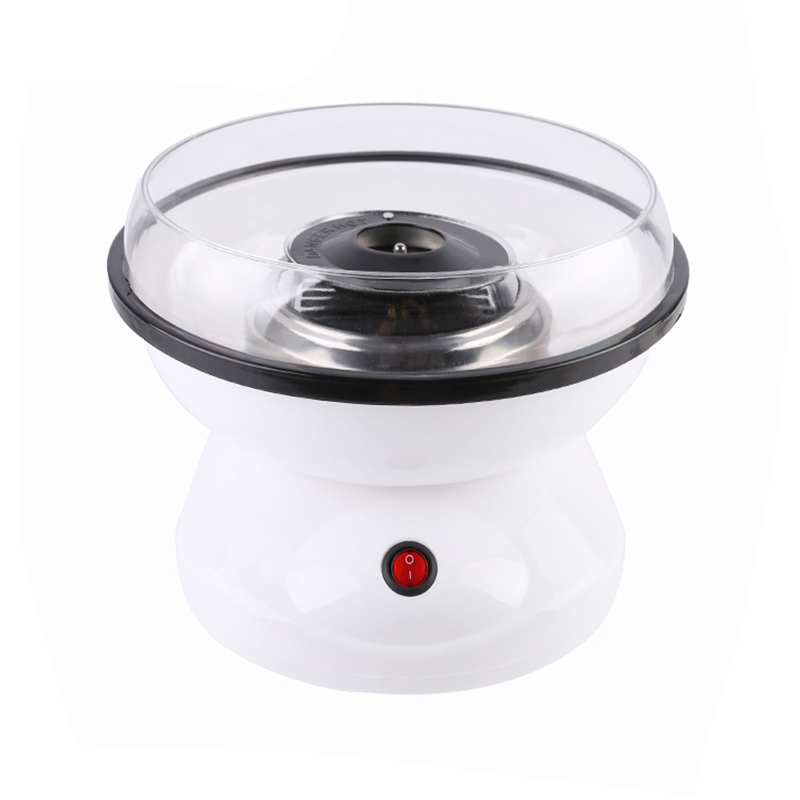
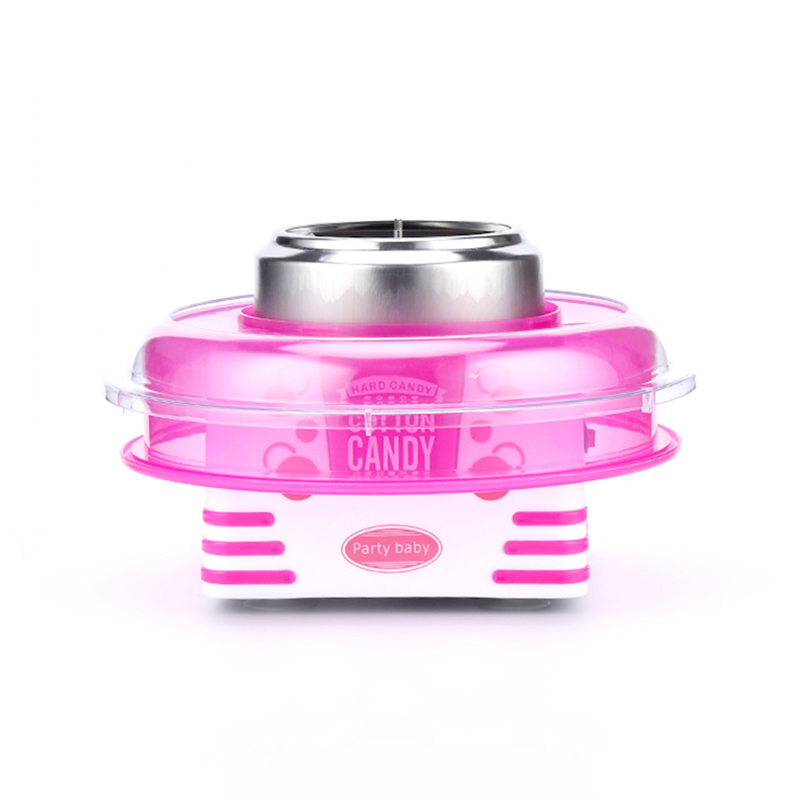
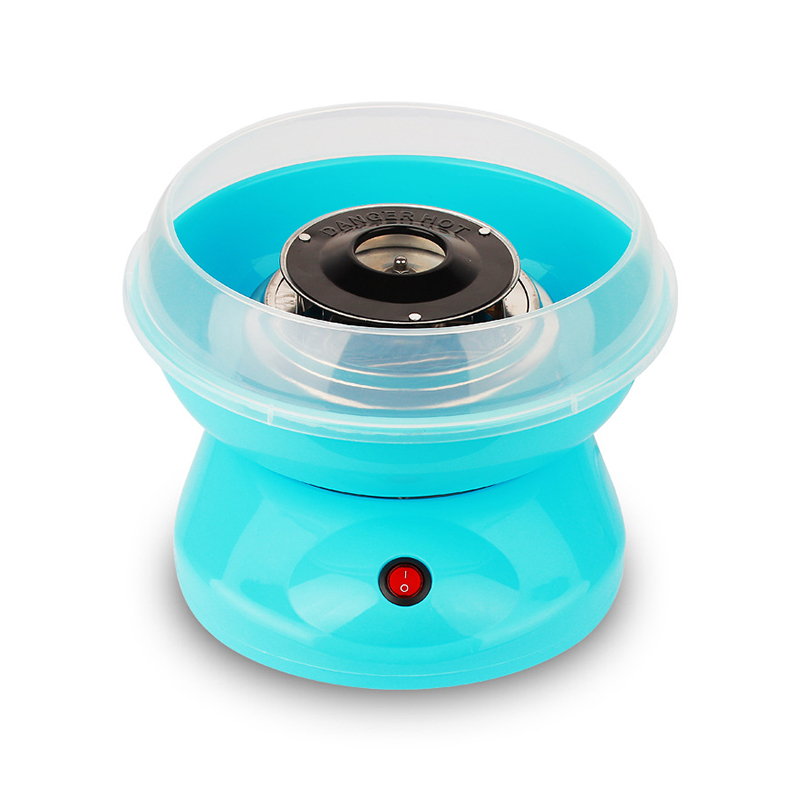
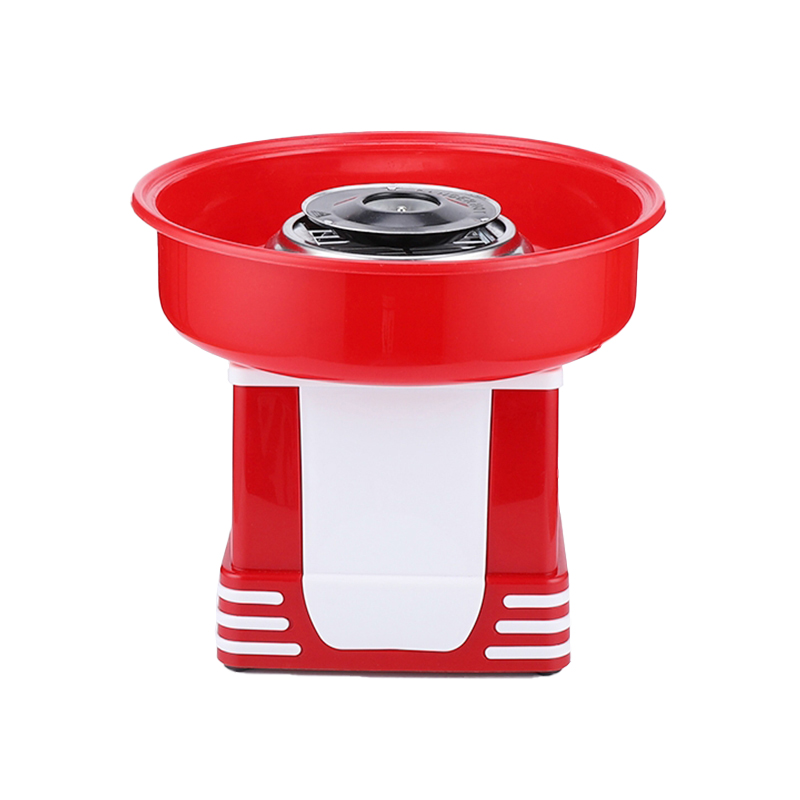
The machine you choose affects your start-up budget and your serving speed. For a first cart, a home cotton candy machine is often the easiest way to test the market without a huge investment. A 450W aluminum turntable model is a popular starting point because it heats sugar quickly and is light enough to transport.
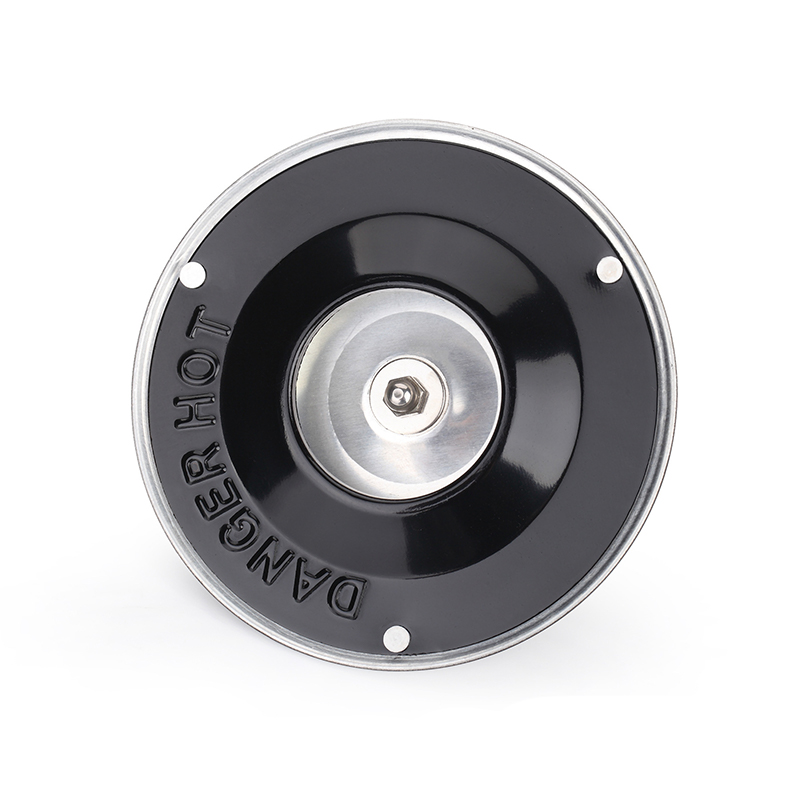 450W Aluminum Turntable Cotton Candy Machine for Home UseThis entry-level model heats sugar quickly and is light to transport, making it a practical choice for testing the market before scaling up to multiple events.View Product →
If you expect to sell at multiple events in the same season, cleaning becomes just as important as speed. Stainless steel bodies handle repeated wiping and resist wear better than plastic or painted surfaces, which is why many sellers choose one as they scale up.
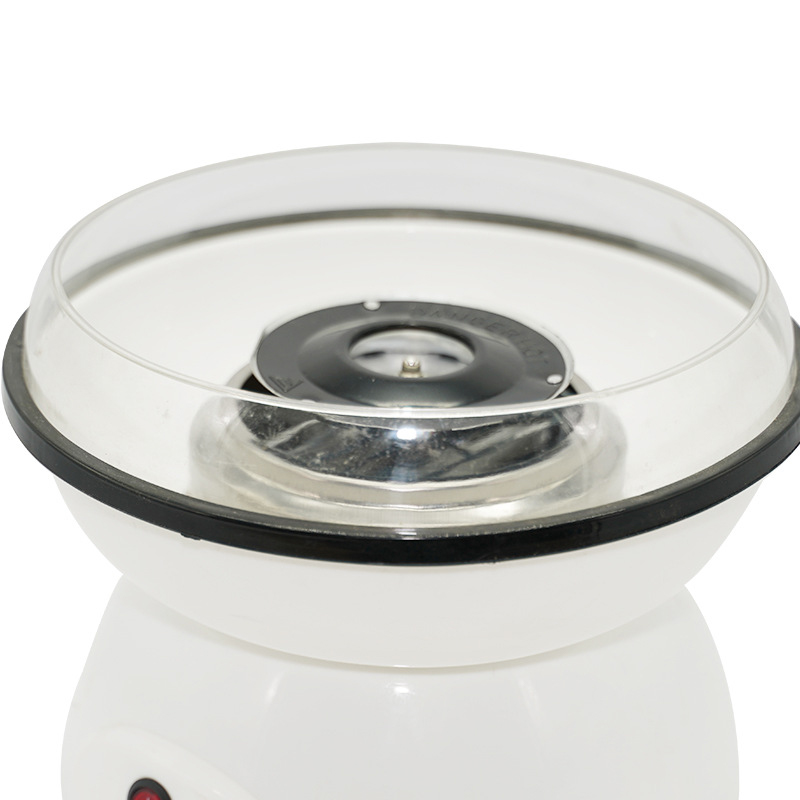 Stainless Steel Cotton Candy Machine with Teflon Coated TurntableBuilt with a stainless steel cover and non-stick surface, this machine resists wear and simplifies cleaning, ideal for sellers expanding to repeat events.View Product →
Do not feel pressured to buy the largest option right away. Many successful sellers start with one reliable home machine, learn how to spin consistent cones, and only add a second machine when demand clearly exceeds what they can produce.
Vendors who sell under their own brand often ask us about cart design and machine labels. Our custom design service can help you create a more professional presentation without overcomplicating your setup.
Ways to Increase Your Cotton Candy Profit
After your equipment costs are covered, most of your revenue becomes income. To push your daily numbers higher, try these proven approaches:
- Offer two sizes: a small cone for kids and a large one for sharing. Many customers will upgrade for a dollar or two.
- Use colored sugar and clear bags with a twist tie to create a more giftable product. A presentable cone can justify a higher price.
- Pair cotton candy with another low-cost treat, such as flavored lemonade or shaved ice, to increase the average sale.
- Book private parties and school events, which often pay a flat fee and allow you to plan your supply needs.
- Set up near high-traffic areas like entrances, playgrounds, or fountain squares where impulse sales are more likely.
Because cotton candy is mostly air, it is naturally a high-margin product. Your biggest risk is not the cost of sugar; it is getting stuck with an event that has too little foot traffic or a machine that cannot handle the rush.
Common Mistakes That Cut Into Your Earnings
Underestimating Event Costs
Booth fees, permits, and parking can eat a large share of a slow day. Always ask for expected attendance and compare it to the booth fee before saying yes.
Using the Wrong Sugar
Humidity and sugar quality affect how much fluff you get per cone. Keep sugar in a sealed container and avoid adding too much flavoring, which can make the sugar too moist.
Only Selling at One Type of Event
Sellers who depend only on festivals have uneven income. Farmers markets, birthdays, corporate picnics, and weekend fairs can smooth out the calendar.
So How Much Money Can You Make Selling Cotton Candy?
The short answer is that a cotton candy side business can earn anywhere from a few hundred dollars per local market to several thousand dollars over a busy festival season. A focused seller who controls costs and picks good locations can turn a $100 to $500 machine into a reliable income stream.
Start with realistic expectations, test your pricing, and make sure your equipment is reliable. In our experience, that is the real recipe for a profitable cotton candy cart.