 English
 中文简体
中文简体 عربى
عربى Español

An air popper looks like the simplest appliance in the kitchen, and in a way it is. Pour in a scoop of kernels, press one button, and a bowl of popcorn starts filling up a couple of minutes later, with no oil, no stirring arm and no kettle to scrape out afterwards. Use one a few times, though, and questions tend to show up. Where does the heat actually come from? Why do some kernels refuse to pop? And why can a slightly dusty chamber ruin a whole batch?
We have been building popcorn machines in Cixi since 2010, and hot air models are the ones buyers ask about most. Here is what happens inside the machine, in plain language, from the moment the fan spins up to the moment the last kernel drops into the bowl.
What an Air Popper Actually Does
Strip away the plastic housing and an air popper has two jobs: make air hot, and push that air through a bed of popcorn kernels.
That is the whole idea. There is no oil to heat, no rotating stirrer and no heated kettle. Everything you notice about the way these machines behave follows from that single design choice. The popcorn comes out dry rather than glossy, hulls collect in the chamber instead of in a pool of oil, and the flavour is lighter than the cinema-style version because the kernels are cooked by moving air rather than by resting against hot metal.
People often assume the machine blows the popcorn upward. It does not, quite. The airflow lifts finished popcorn out of the chamber, but the popping itself happens because hot air heats each kernel, and the kernel does the rest of the work on its own.
The Three Parts That Do All the Work
Open up a typical hot air machine and you will find the same three components arranged in the same order.
The heating element
Usually a coiled resistance wire, the same family of part you would find in a hair dryer. In the hot air models we produce, the element and fan together typically draw in the region of 1200 watts, which is enough to bring the airflow up to popping temperature within a minute or so of switching on.
The fan
Mounted below or beside the element, the fan pulls room-temperature air in and drives it upward through the chamber. It is not simply moving heat around. The stream of air keeps the kernels tumbling so they heat evenly on every side, and it is what eventually carries the popped corn up and out.
The popping chamber
This is where the kernels sit at the start of a cycle. It is usually narrower at the bottom and wider toward the top, with vents or a chute that let finished popcorn escape. The geometry matters more than it looks. A chamber that is too wide slows the airflow down, while one that is too narrow presses kernels against the walls and scorches them.
Why Popcorn Pops at All
Before the machine makes sense, the kernel has to. Every popcorn kernel holds a small amount of water inside a starchy core, sealed under a hard outer hull. Heat a kernel to roughly 180°C, about 355°F, and that water turns to steam. The hull traps the steam, the internal pressure climbs, and at somewhere near nine atmospheres the hull gives way. The starch inside expands into a foam and sets as it cools. The pop you hear is the hull rupturing and the hot contents hitting the chamber wall.
That is why airflow temperature and speed matter so much. Heat has to reach the centre of the kernel and stay there long enough for pressure to build. Air that is too cool warms the kernel too slowly and it never opens. Air that is too hot browns the outside before the inside is ready, which is how you end up with a batch that tastes burnt yet is still full of unpopped kernels.
A Full Popping Cycle, Step by Step
- The chamber is filled with a measured batch of kernels, usually a quarter cup of unpopped corn for a home machine, spread in a single layer.
- The fan starts and the heating element warms up, sending hot air up through the chamber.
- Kernels begin to roll and tumble in the moving air, which heats them evenly instead of only on one side.
- After 60 to 90 seconds the first kernels pop, and the sound builds into a steady rhythm.
- Popped corn is far lighter than an unpopped kernel, so the airflow lifts it out of the chamber and into the chute or bowl.
- Kernels that have not popped yet stay behind, tumbling in the hot stream until they do.
- When popping slows to a pop every few seconds, the cycle is finished. Switch off, unplug, and tip out the bowl.
From the first pop to the last, most home machines need somewhere between two and four minutes for a full batch.
Air Popper vs Oil Popper: What Actually Changes
Both designs use heat, and both rely on the same thing happening inside the kernel. The difference is how the heat gets there, and that single difference shapes texture, cleanup and where each machine belongs.
| Aspect | Hot air popper | Kettle or oil popper |
|---|---|---|
| How heat reaches the kernel | Forced hot air through the chamber | Contact with a heated kettle and oil |
| Oil required | None | One to three tablespoons per batch |
| Typical texture | Light, dry and crisp | Richer, slightly softer, cinema style |
| Batch rhythm | Smaller batches, ready in two to four minutes | Larger batches, slightly slower per cycle |
| Cleanup | Wipe the chamber and shake out the hulls | Degrease the kettle and lid |
| Best suited to | Everyday home snacking and lighter eating | Parties, events and commercial service |
Neither approach is better in the abstract. If you want popcorn that tastes like a cinema lobby, the kettle wins. If you want a snack you can make on a weeknight without reaching for a pan of oil, the air popper wins.
The Details That Separate a Good Air Popper From a Frustrating One
Because the mechanism is so simple, small engineering choices show up quickly in the bowl.
- Wattage and airflow: enough power to reach temperature quickly, without scorching kernels before they open.
- Chamber shape: wide enough to keep the batch moving, tight enough to keep the airflow concentrated.
- Vent and chute design: finished popcorn should leave the chamber easily instead of circulating until it burns.
- Safety cut-offs: a thermal fuse that shuts the element down if the fan stalls or the vents clog.
This balance is where our engineers spend most of their time, and it is what we aim for in our own hot air model: enough power to clear a full batch quickly, and a chamber that keeps kernels tumbling until they are done rather than letting them sit still against a wall.
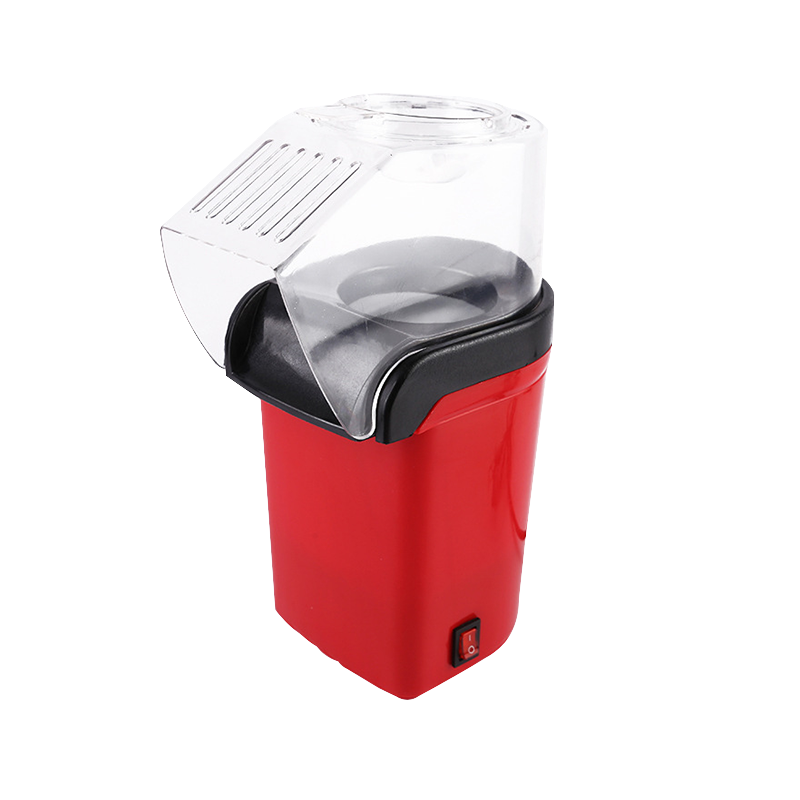
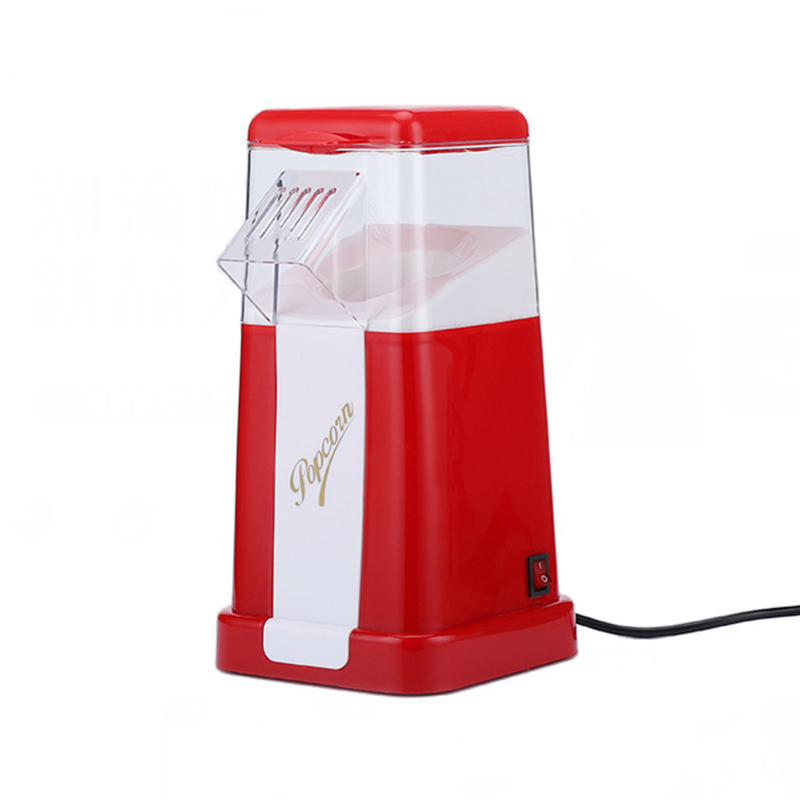
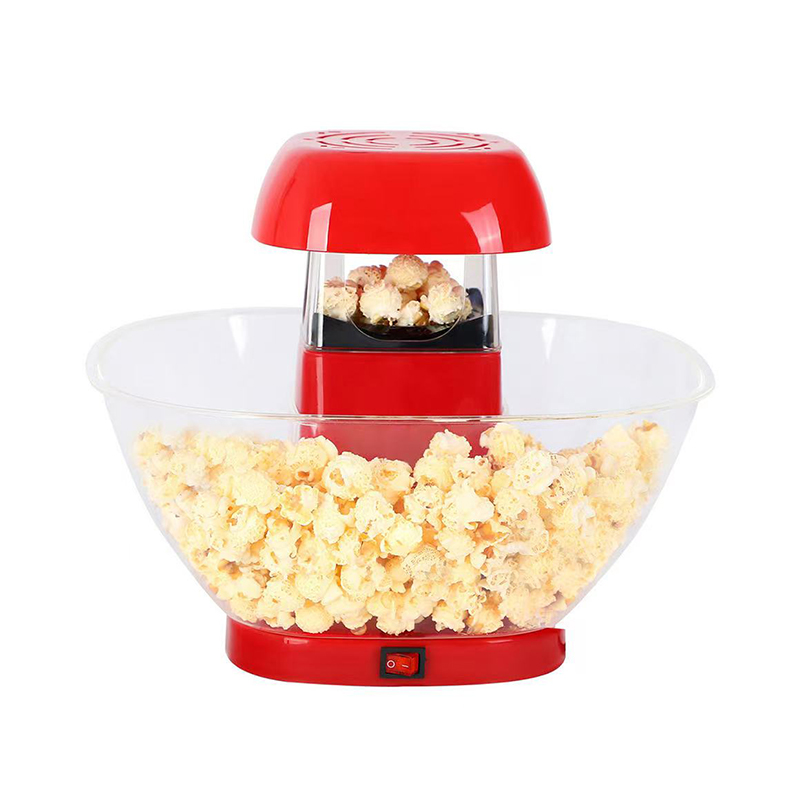
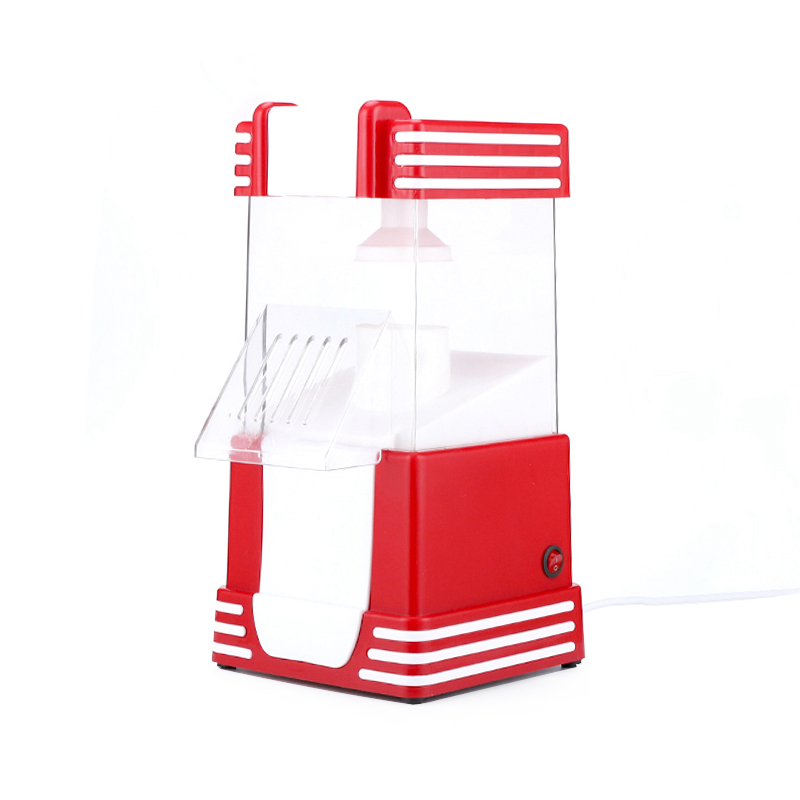
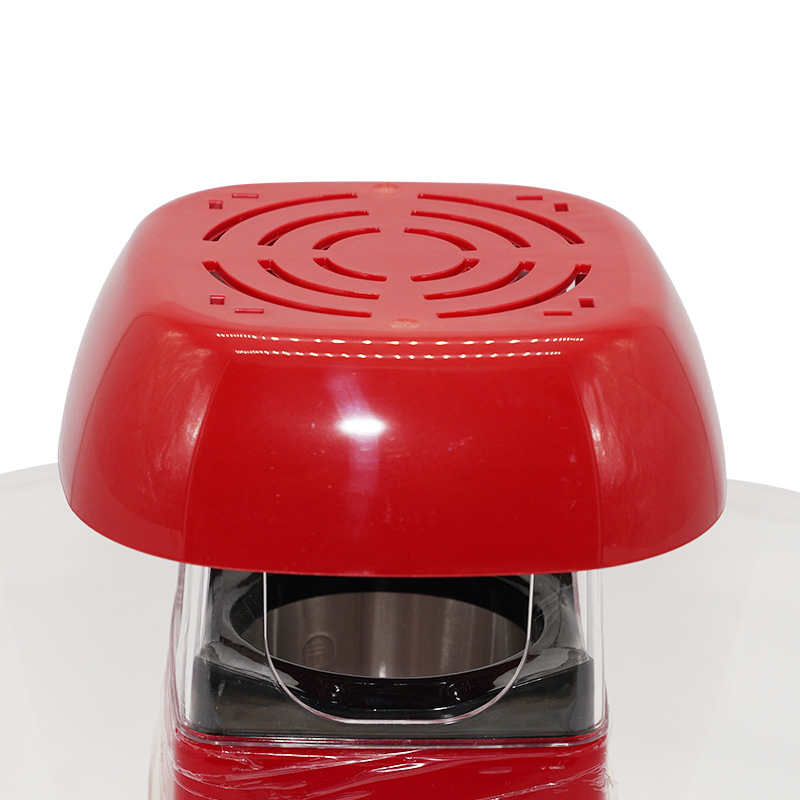 Health No Oil Hot Air Popcorn Machine PM-1208This 1200W oil-free hot air popper offers 270ML capacity and 3-5 minute batches, aimed at home use and small gatherings.View Product →
Getting Better Results From Your Air Popper
- Start with fresh kernels. The moisture inside the kernel is what makes it pop, and it fades with age, so popcorn that has sat in a cupboard for two years will disappoint you in any machine.
- Do not overfill. One layer of kernels across the chamber floor is the target, because overloading blocks the airflow and leaves half the batch behind.
- Let the machine warm up. Running the fan and element for a minute before adding kernels gives you a hotter first burst of air.
- Season after popping. Salt and melted butter cling better to hot popcorn, and adding them afterwards keeps the chamber free of residue.
- Do not re-pop the leftovers. Kernels that survived the first cycle have already lost their moisture and will only scorch.
Keeping the Machine Working
Air poppers do not need much maintenance, but they do need airflow. Hull dust, starch and stray oil residue gradually clog the vents around the chamber, and a machine that cannot move air freely takes longer to pop and leaves more kernels unpopped.
The basic routine is short. Unplug the machine, let it cool, empty the chamber, then wipe the chamber and chute with a dry cloth or one barely dampened with water. Never submerge the base. If you want the full routine, including how to deal with stubborn starch build-up, we put together a longer guide on cleaning and maintaining your hot air popcorn maker.
Matching the Machine to the Setting
The mechanics do not change between a compact countertop unit and a larger model, but the priorities do.
For a family kitchen, a small machine in the 1200-watt class is usually plenty. It clears a bowl in a few minutes, stores in a cupboard, and is simple enough for older children to use with supervision. A fun-shaped model can make the whole thing feel more like an activity than a chore, which matters when you are feeding a room full of kids on a rainy afternoon.
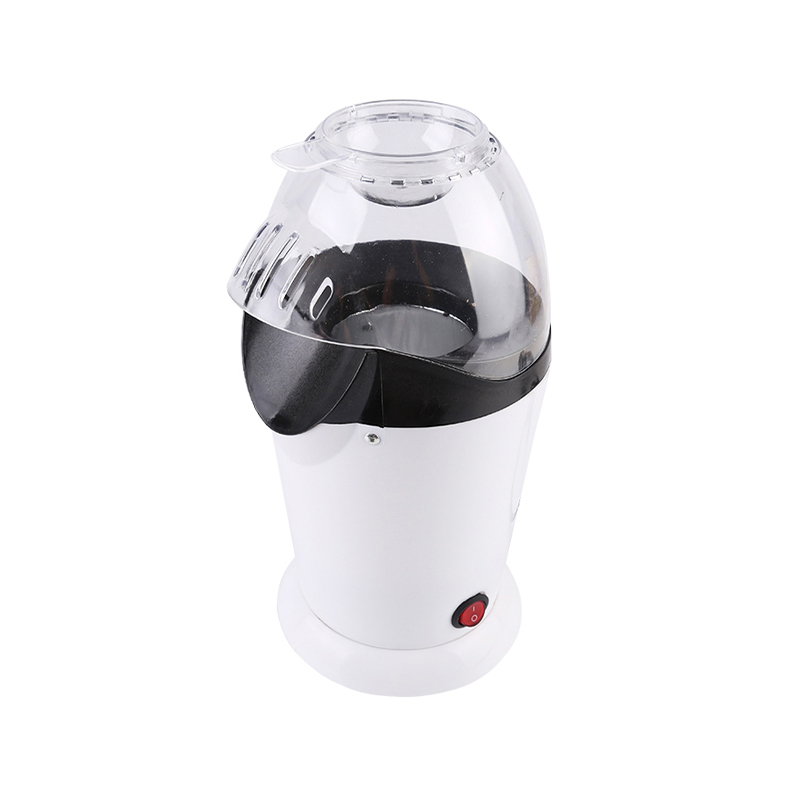
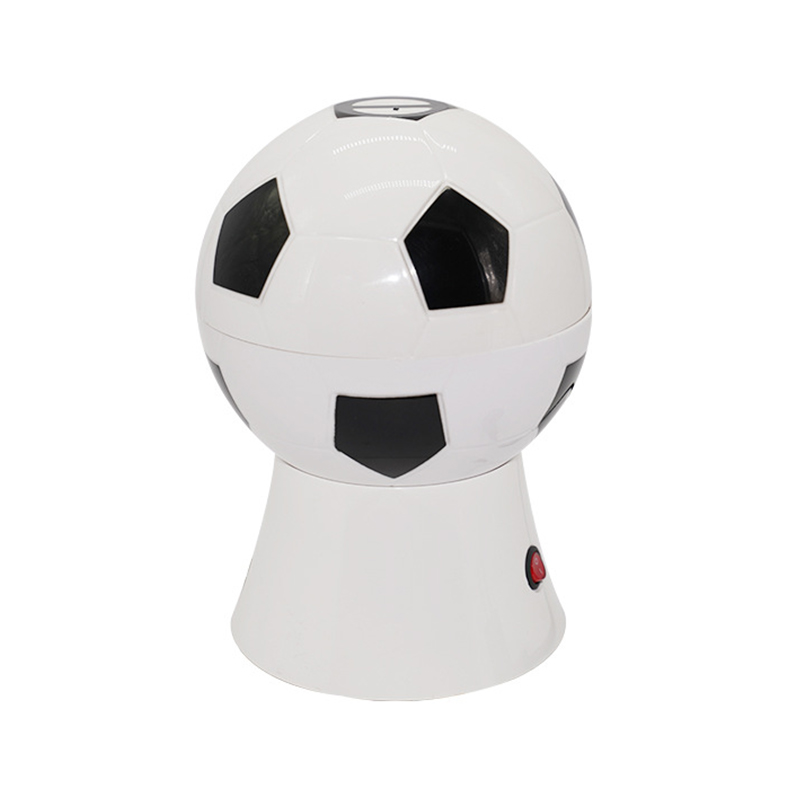
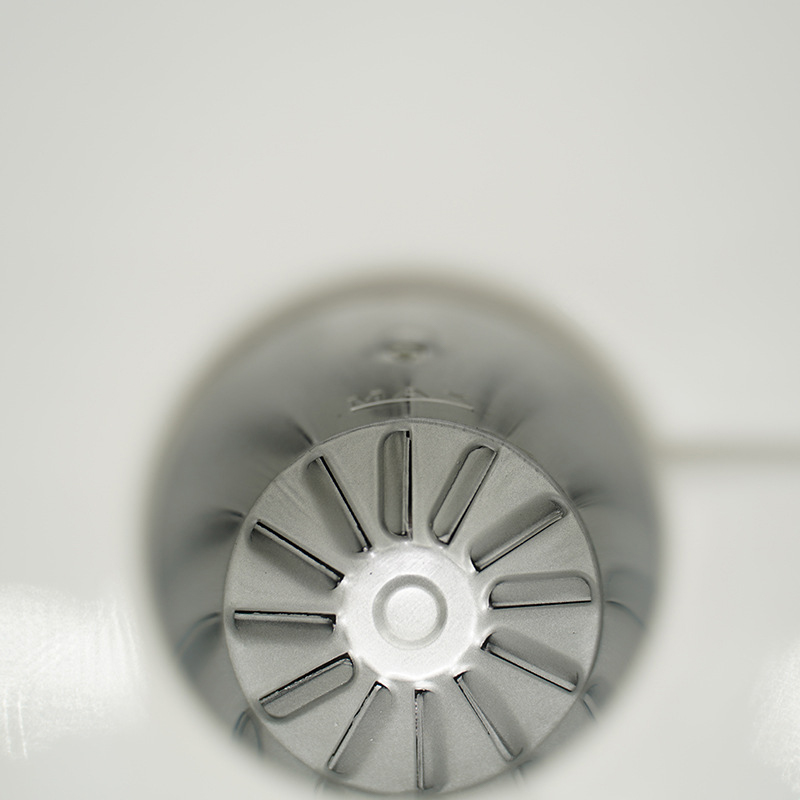 No Oil Football Shape Popcorn Machine PM-2200This 1200W football-shaped oil-free popper uses a 25g/270ML batch in 3-5 minutes, suited to family gatherings, children's parties and small commercial settings.View Product →
For shops, stalls and rental operators, the calculation changes. Duty cycle, spare parts and voltage compatibility start to matter more than countertop footprint, because these machines are expected to run for hours without the element giving up. That is also where customisation comes in: plug type, housing colour, packaging and chamber size can all be adjusted for a specific market, which is the kind of work we handle through our custom design and OEM service.
So, in the simplest terms: an air popper heats air, a fan pushes that air through a bed of kernels, and the kernels pop themselves once steam builds inside the hull. Everything else, from the wattage to the chamber shape to the cleaning routine, exists to make that process faster, more even and easier to live with.
Once you understand that, the machine stops being a mystery box. You know why overfilling spoils a batch, why old kernels stay hard no matter how long you wait, and why a minute of preheating changes the result. You also know what to look for on the box: how much air the machine moves, how evenly it heats, and how easily it lets the finished popcorn out.