 English
 中文简体
 عربى
 Español


Popcorn smells wonderful until the kettle is left with a thin film of oil, sugar, and kernel dust. That film is what turns a fresh batch slightly stale, makes the next batch smoke, and slowly wears down a machine that should last for years. If you run a cart, a cinema corner, or a home theater, learning how to clean a popcorn machine kettle properly is one of the simplest ways to protect both flavor and equipment.
The job is not about scrubbing harder. It is about using the right sequence: cool the machine, remove only what is designed to come off, use mild cleaning agents, and dry every surface before the next batch. This guide covers daily care, deep cleaning, stubborn residue, and the mistakes that cause most kettle damage.
Why the Kettle Needs a Gentle, Consistent Routine
The kettle combines heat, oil, sugar, and a stirring mechanism in one small space. Every batch leaves behind a little oil and steam, and caramel or flavored popcorn can leave sugar that hardens as it cools. If that layer is ignored, it can scorch, give the next batch a bitter taste, and make the stirrer work harder than it should.
The metal is often stainless steel or an aluminum pan. Both can be scratched by abrasive pads, and both can be stressed by sudden temperature changes. Harsh oven cleaners can attack the finish or leave residue that is difficult to rinse from a food-contact surface. A gentle routine, repeated often, is safer than a strong cleaner used once in a while.
If your kettle is removable, clean it separately from the cabinet. If it is fixed in place, clean it carefully without flooding the electrical base. Always follow the manufacturer’s instructions when they are available, because lid seals, bearings, and coatings vary from model to model.
Gather the Right Tools First
Keep a small cleaning kit near the machine so a quick wipe-down does not turn into a search for supplies. The tools should be soft enough for a food-contact surface and simple enough to wash after every use.
| Tool | Why it helps | What to avoid |
|---|---|---|
| Soft microfiber cloths | Wipe oil and water without scratching the finish | Rough paper towels or dirty rags |
| Nylon brush or soft sponge | Lift residue from corners and around the stirrer | Steel wool and scouring pads |
| Mild dish soap or approved kettle cleaner | Remove the oil film and soften sugar | Oven cleaner or caustic chemicals not meant for food equipment |
| Warm water | Dissolves sugar and helps release oil | Boiling water poured onto cold metal |
| Dry towel | Prevents water marks and electrical risk | Reassembling while parts are still damp |
Check the manual before soaking any part. Some lids have seals, some stirrers have bearings, and some kettles have coatings that should never be scrubbed with an abrasive. When in doubt, wipe rather than soak.
Step-by-Step: How to Clean a Popcorn Machine Kettle
- Unplug the machine and let it cool. Never begin cleaning a hot kettle. Wait until the metal, lid, and stirrer are safe to touch. This protects your hands and prevents warping from sudden temperature change.
- Empty loose kernels and oil. Tip out loose kernels into the waste bin, then wipe the inside with a dry cloth while the kettle is still slightly warm but not hot. Do not strike the stirrer with a metal tool.
- Remove the kettle only if your model allows it. Take it to a sink or cleaning area, but keep the electrical base, cord, and plug completely dry. If the kettle is fixed, clean it in place with cloths and small amounts of water.
- Wipe the inside with warm, mild soapy water. Use a soft cloth or sponge and work around the stirrer and corners. Do not fill the kettle to the rim or let water spill into the machine’s electrical housing.
- Soften stubborn spots instead of scraping. If oil or sugar has hardened, let a warm, damp cloth sit on the area for a minute or two. A nylon brush can help, but metal scrapers and sharp tools should stay away from the kettle.
- Rinse with a clean, damp cloth. Wipe until no soap film remains, changing the cloth or rinsing it often. Soap residue can leave an off-flavor in the next batch even when the kettle looks clean.
- Dry every surface completely. Dry the inside, lid, stirrer, and outside with a clean towel, then let the parts air for a few minutes before reassembly. Water left near electrical components is a safety risk.
- Wipe the outside and cabinet. Use a damp cloth on the exterior and a dry cloth afterward. Keep water away from switches, vents, and the cord connection.
For routine care, this sequence can take five to ten minutes. A deeper clean is needed when the kettle feels tacky, the popcorn tastes stale, or caramel batches have left a visible film.
Removing Stubborn Oil, Caramel, and Burnt Sugar
Hard residue usually needs patience, not pressure. For a removable kettle, add warm water and a small amount of cleaner approved for food-contact equipment, then let it soak for ten to fifteen minutes. Keep the water below the rim and never soak the electrical base or cord.
For caramel spots, a light paste of baking soda and water can help soften the sugar. Use a soft sponge and light pressure, then rinse thoroughly with a damp cloth. A nylon brush is useful around the stirrer, but avoid digging at seals or bearings with a knife or metal scraper.
If a stain remains after two gentle attempts, stop. A slightly dull spot is far cheaper to live with than a scratched or warped kettle. For fixed kettles, apply cleaner to a cloth rather than pouring water over the mechanism, and wipe with clean water afterward until no residue remains.
How Often Should You Clean It?
| When | What to do | Why it matters |
|---|---|---|
| After each batch or end of shift | Empty loose kernels and wipe the oil film | Stops residue from hardening and turning stale |
| End of each day | Wash with mild soap, rinse, and dry fully | Removes sugar and oil before they scorch |
| Weekly or after heavy use | Deep clean with an approved kettle cleaner | Clears buildup around the stirrer and corners |
| Monthly or seasonal | Inspect seals, bearings, and the stirrer | Catches wear before it affects flavor or safety |
Daily cleaning matters most because most damage starts with a thin layer that was left overnight. If you make caramel-glazed popcorn, clean more often than you would for plain oil-popped corn. For home machines, our notes on daily cleaning for home popcorn machines follow the same gentle approach.
Mistakes That Cause Most Kettle Damage
- Cleaning while the kettle is hot. Cold water on hot metal can cause warping, and hot oil is a burn risk.
- Using oven cleaner or abrasive pads. These can scratch the finish, dull the metal, and leave chemical residue on a food-contact surface.
- Pressure-washing the kettle or cabinet. High-pressure water can push moisture into bearings, vents, and electrical areas.
- Submerging the base, cord, or plug. Only the removable kettle should go near water, and only when the design allows it.
- Rinsing poorly. Soap residue can spoil the taste of the next batch even if the kettle looks shiny.
- Reassembling wet parts. Damp lids and stirrers can encourage odors, water marks, and electrical risk.
A gentle habit beats a aggressive rescue every time. If the kettle needs a deep clean, give it time to soak and soften rather than reaching for a sharper tool.
A Cleaner Kettle Starts With Better Design
Cleaning is easier when the machine is designed for it. A removable kettle, a smooth stainless bowl, rounded corners, a simple stirrer, and a lid that comes apart without tools make a daily wipe-down far more realistic. In our experience building popcorn machines, those details matter as much as heating power because they decide whether the cleaning routine actually happens.
For busy commercial settings, a stainless steel kettle and accessible components help staff clean between batches without fighting the machine. Our commercial model PM2808 is built for that kind of repeatable routine, with a design that supports steady service and straightforward care.
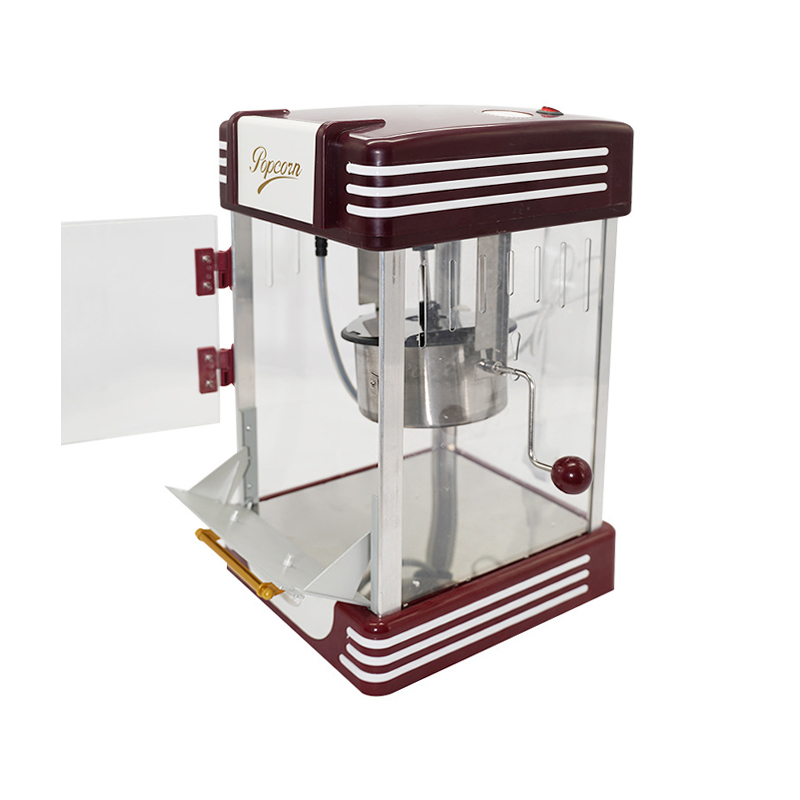 PM2808 Commercial Popcorn Machine for High-Traffic VenuesA 320 W commercial popper with 40 g batches and about 3-minute cycles, designed for cinemas, restaurants, and snack stands needing repeatable service.View Product →
For home users who prefer a traditional oil-popping pan, a simple aluminum kettle can be easy to wipe if it is not soaked or scoured. The PM1200 is a familiar style for family movie nights and small gatherings, where a quick wipe after each batch keeps the pan ready for the next bowl.
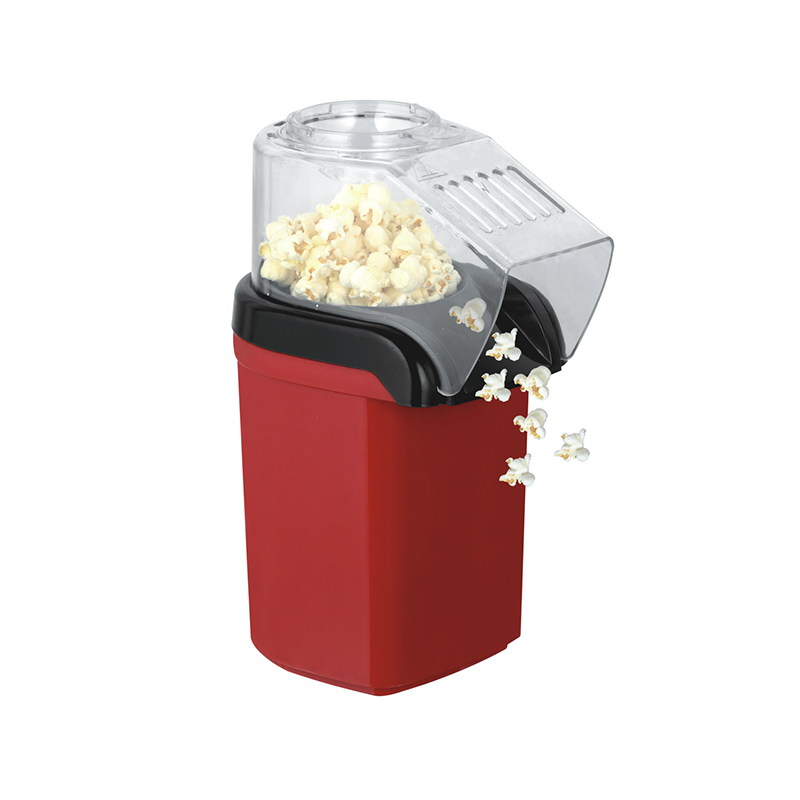 PM1200 Red Aluminum Pan Popcorn Machine for Home UseA 1200 W popcorn maker with a 25 g batch capacity and about 3-minute popping, useful for family movie nights and small gatherings.View Product →
Whether you choose a home machine or a commercial unit, look at how the kettle is removed, how the stirrer is cleaned, and whether the manual gives clear care instructions. A machine that is easy to clean is a machine that stays in service longer.
Make Cleaning Part of the Popcorn Ritual
The best cleaning routine is short enough to repeat. Wipe warm oil before it sets, wash with mild soap, rinse carefully, dry completely, and deep clean before residue turns dark. That habit protects flavor and extends kettle life.
Treat the kettle like a food-contact surface and the rest of the machine like an electrical appliance. Keep water away from wiring, use only approved cleaners, and follow the manual for your model. Your popcorn will taste cleaner, and your kettle will reward you with many more batches.