 English
 中文简体
中文简体 عربى
عربى Español

Most people unpack a new popcorn machine expecting the exact aroma and taste of a cinema lobby: glossy kernels, deep butter flavor, and that unmistakable yellow salt clinging to every flake. Then the first homemade batch comes out flat, chewy, or dusted unevenly with table salt. The culprit is rarely the machine itself. Movie theater popcorn is a system of three variables: a high-smoke-point fat, a very fine butter-flavored salt, and an oil-popping routine that reaches temperature fast. Get those three right, and any kettle-style popcorn maker will get you close. Get them wrong, and even an expensive machine will produce mediocre results.
What Actually Creates Movie Theater Flavor
Theater popcorn flavor starts with coconut oil. Most commercial theaters pop in coconut oil or a coconut-palm blend because it stays stable at high temperature, adds a light sweetness, and creates a firm, crisp surface. Regular vegetable oil works, but the texture will be slightly less crisp and the flavor less rich.
Kernel type matters, too. Movie theaters commonly use mushroom kernels, which pop into round, dense flakes that hold up under a heavy salt coating. Supermarket butterfly kernels are longer and thinner; they are great for eating, but they break more easily when tossed with oil and salt.
The second part of the flavor is the salt. Movie theaters use a butter-flavored salt ground into a powder much finer than table salt. The fine particles coat the hot surface of the popcorn quickly instead of bouncing off. Real melted butter, by contrast, soaks into the kernel and turns it soggy, which is why most theaters use a dry salt blend rather than butter itself. If you want a butter trail, drizzle a little melted butter over individual servings right before eating.
The third variable is the order of operations. Oil goes in first and heats up; kernels are added once the oil shimmers; salt goes on after popping, while the popcorn is still hot. The oil carries heat evenly, the fat creates the crisp shell, and the salt adheres to that shell while the surface is still slightly porous.
| Variable | Regular homemade popcorn | Movie theater style |
|---|---|---|
| Oil | Vegetable or canola oil | Coconut oil or coconut-palm blend |
| Salt | Table salt or sea salt | Fine butter-flavored powder |
| Heat | Medium-high, inconsistent | Consistent, around 190°C (375°F) |
| Texture | Dry and brittle | Crisp shell, tender center |
| Seasoning | Added before serving | Added immediately while hot |
Kettle Machines vs. Hot-Air Machines
Popcorn machines fall into two groups, and the difference determines how close you can get to theater flavor.
Kettle-style machines
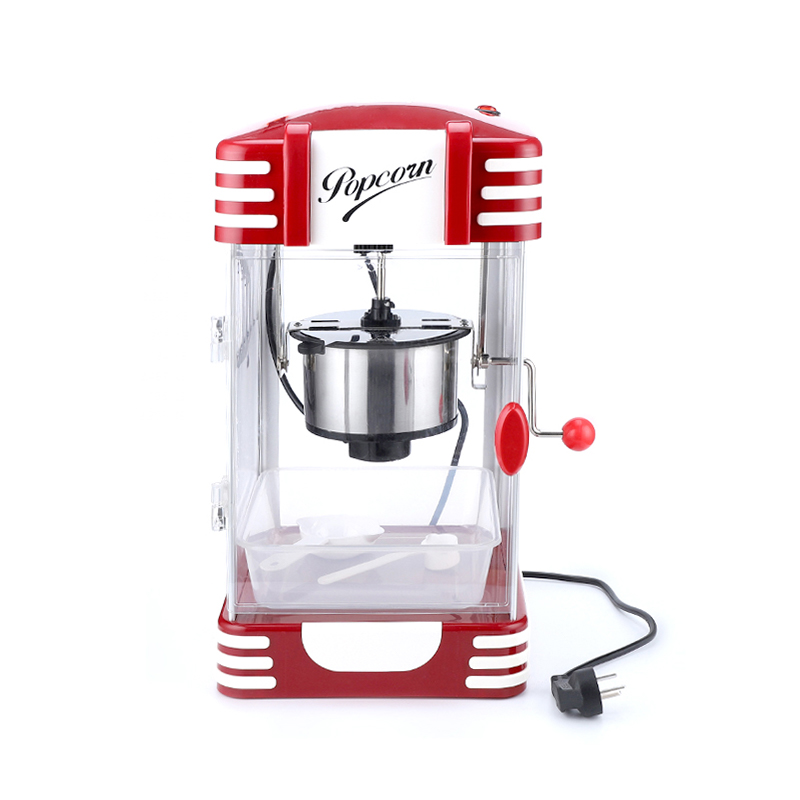
Kettle-style machines use a small metal kettle heated from below, with a motorized stirring rod that keeps kernels moving in hot oil. This is the same mechanism used in theater machines, scaled down for a countertop. Because the kettle reaches high heat quickly and the oil transfers that heat evenly, you get the crisp, yellow, oil-coated kernels that define cinema popcorn. Most kettle machines also come with a warming tray or a removable kettle, both of which make them easier to use in a kitchen.
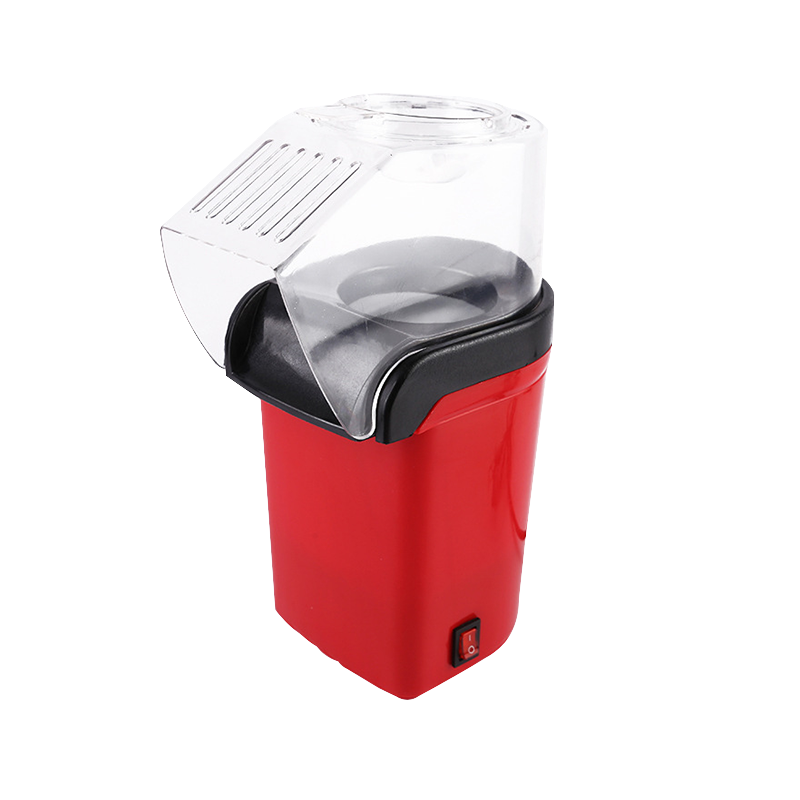
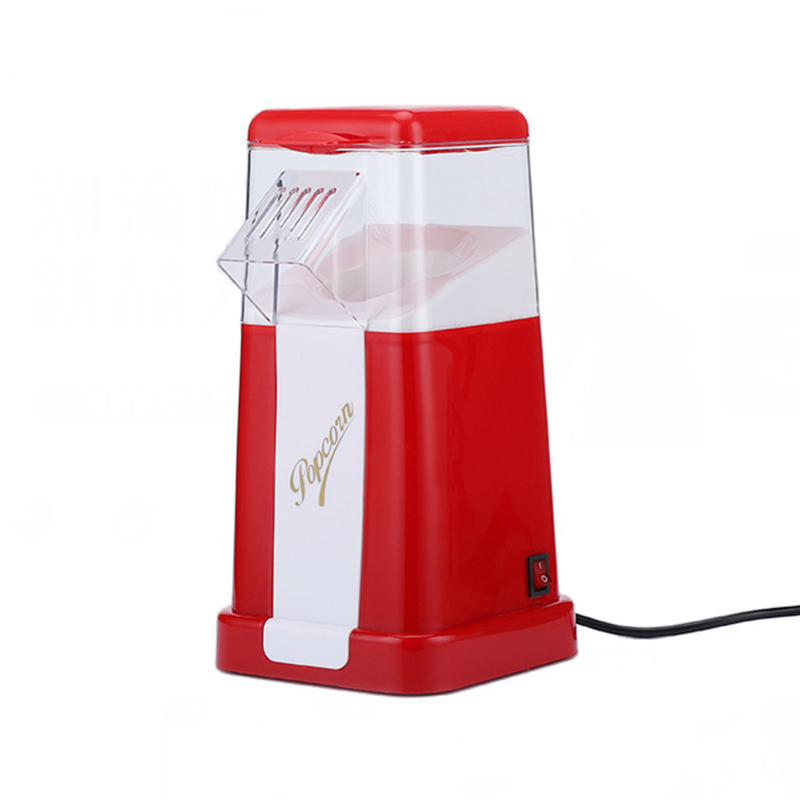
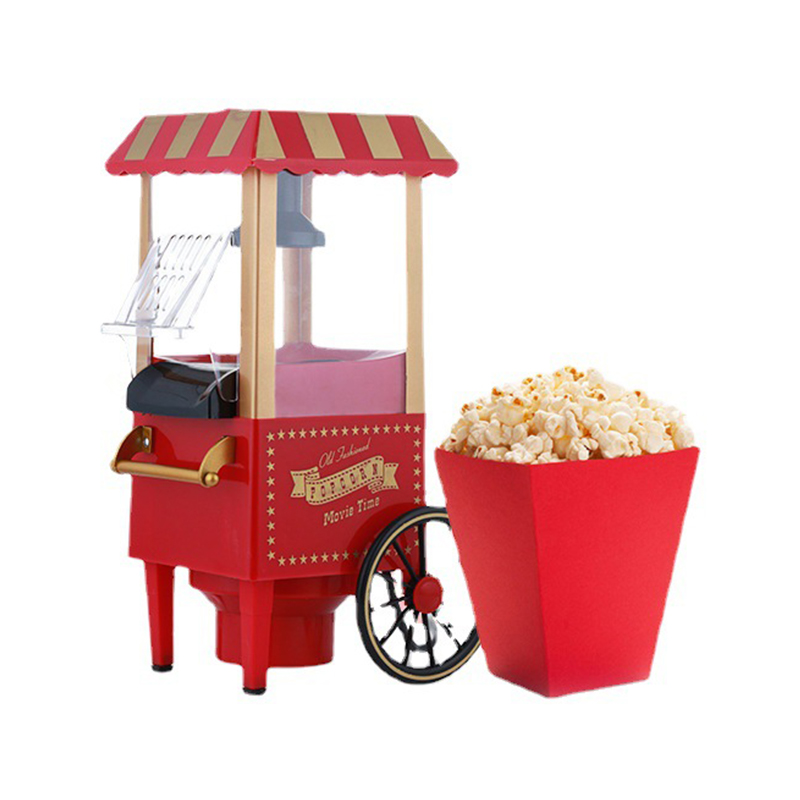 Red CE-Certified 1200W Popcorn Machine with European PlugThis kettle-style model pops with oil for glossy, theater-style kernels and includes CE certification for safe home or small commercial use. Its compact size and 1200W heating suit quick kitchen batches.View Product →
Hot-air machines
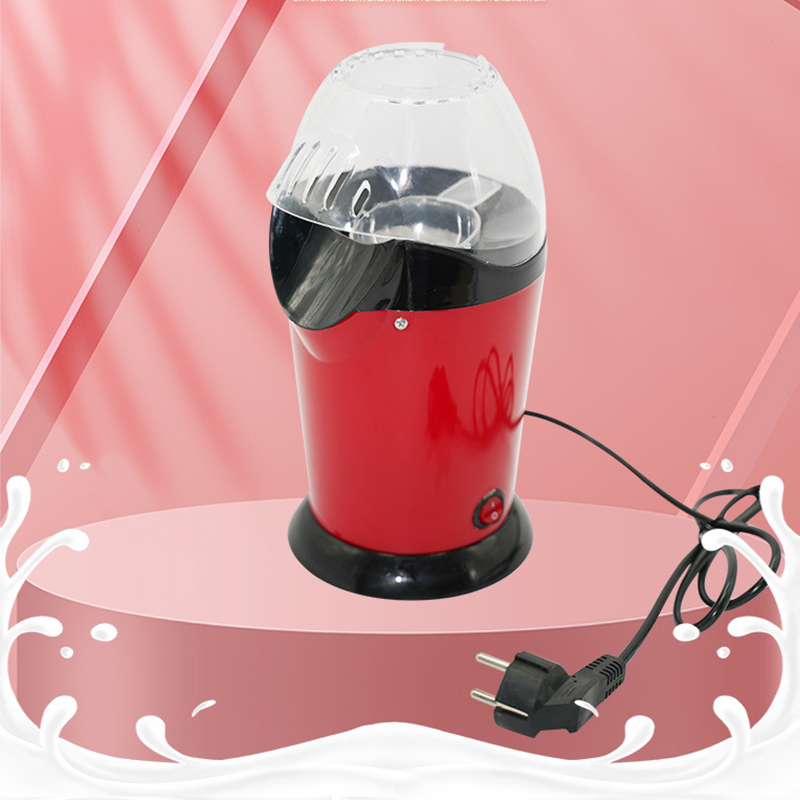
Hot-air machines circulate hot air to pop kernels without oil. They are healthier and easier to clean, but the result is drier and lighter. You can still season hot-air popcorn with butter-flavored salt after popping, but you may need to spray the popcorn lightly with oil first so the salt sticks. Expect a crunchy, airy texture rather than the glossy, rich coating of theater popcorn.
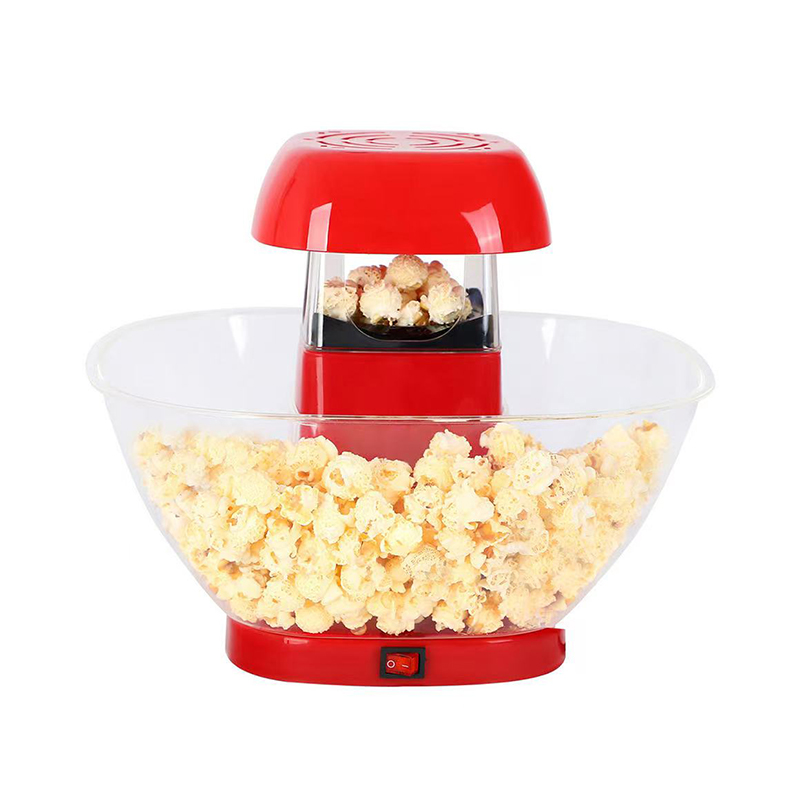
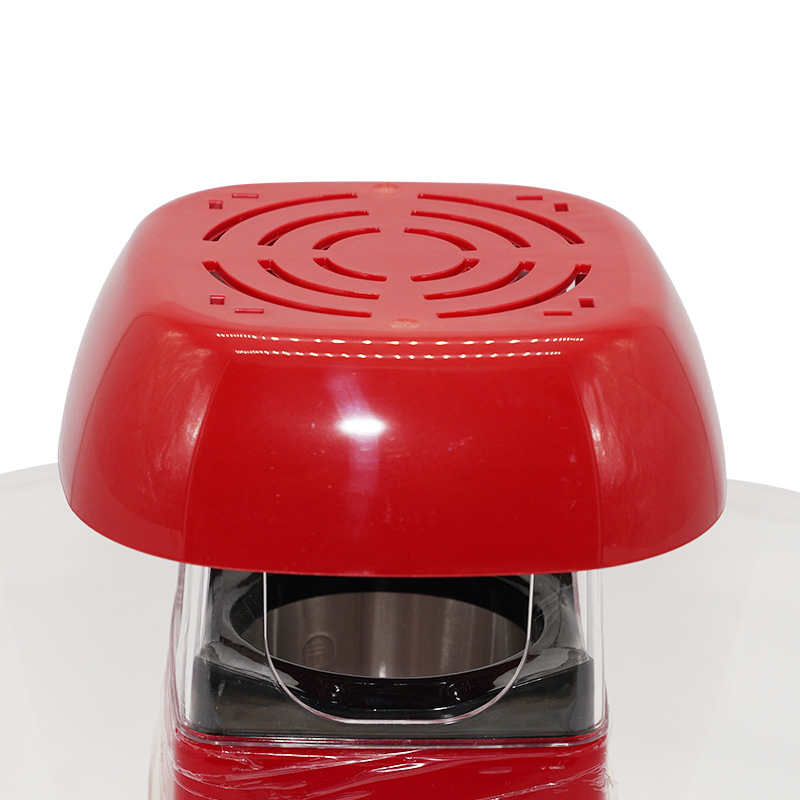 Oil-Free Hot Air Popcorn Maker with European PlugDesigned for healthier snacking, this hot-air model pops kernels without oil, producing a light and crunchy texture. It suits home use and small gatherings, ideal if you prefer fewer calories.View Product →
If you are trying to decide between the two, the trade-off is flavor versus convenience. If you want the closest match to a theater batch, choose a kettle machine. If you snack often and want fewer calories, a hot-air model works, but you will need to adjust your seasoning method. Our comparison of hot-air and oil popcorn makers covers the main differences in more detail.
Step-by-Step: Theater-Style Popcorn in a Popcorn Machine
Before you start, check the capacity of your kettle. Most home kettles hold between 2.5 and 6 ounces of kernels. Do not fill past the marked line; too many kernels mean uneven heating and steam that stays trapped. Here is the routine that produces theater-style results on a kettle machine. For a hot-air machine, skip the oil and use half the batch size.
- Preheat the empty kettle for 2-3 minutes with the lid closed. A hot kettle is essential for quick, even popping.
- Pour in about 3 tablespoons of coconut oil for each 1/2 cup of kernels.
- Add the kernels and close the lid. Do not overload the kettle.
- Leave the lid slightly ajar if the design allows it, so steam can escape. Trapped steam is what makes popcorn chewy and wet.
- Keep the stirring rod running at all times. When the pops slow to about two seconds apart, turn the machine off.
- Empty the popcorn into a wide bowl immediately. While the kernels are still hot, sprinkle 1/2 to 3/4 teaspoon of fine butter-flavored salt over the batch and toss.
Seasoning while the popcorn is hot makes the difference. The hot oil on the surface of each kernel melts the salt powder slightly, helping it stick. For an even coating, put the popped corn in a large paper bag, add the salt, close the top, and shake for five seconds. If you want to add melted butter, do it per serving and eat right away.
Common Problems and How to Fix Them
Even with a good machine, small mistakes produce predictable failures. The table below covers the ones most people run into.
| Problem | Likely cause | Quick fix |
|---|---|---|
| Burnt, smoky batch | Kettle too hot or too little oil | Preheat fully, then add oil before kernels |
| Chewy, tough kernels | Old kernels or not enough heat | Use fresh popcorn; let the machine preheat properly |
| Dry, flavorless popcorn | No oil or salt added after popping | Use coconut oil and fine popcorn salt |
| Soggy flakes | Melted butter added while hot | Switch to dry butter-flavored salt |
| Too many unpopped kernels | Kernels jammed under the stir rod | Start with a fully hot kettle; use fresh kernels |
Most of these issues trace back to temperature. If the kettle surface is below roughly 175°C, the kernels steam slowly and turn chewy. If it is above 210°C, the hull burns before the inside puffs. A cheap infrared thermometer takes the guesswork out of the first few batches. Also pay attention to kernel freshness. Popcorn needs about 13-14% moisture inside the hull to pop properly. Old, dry kernels produce dense, half-popped pieces no matter what machine you use.
Choosing a Machine That Delivers Theater Results
If you have not bought a machine yet, focus on four specs.
Kettle design. A metal kettle with a non-stick interior is closer to theater performance than a non-stick pan with a lid. The metal heats the oil directly, which gives the fast, even temperature needed for glossy, crisp flakes.
Wattage. Machines below 1000W recover heat slowly after you add kernels, which leads to chewy centers. A 1200W model gives the quick heat recovery you want, and it also makes back-to-back batches more practical.
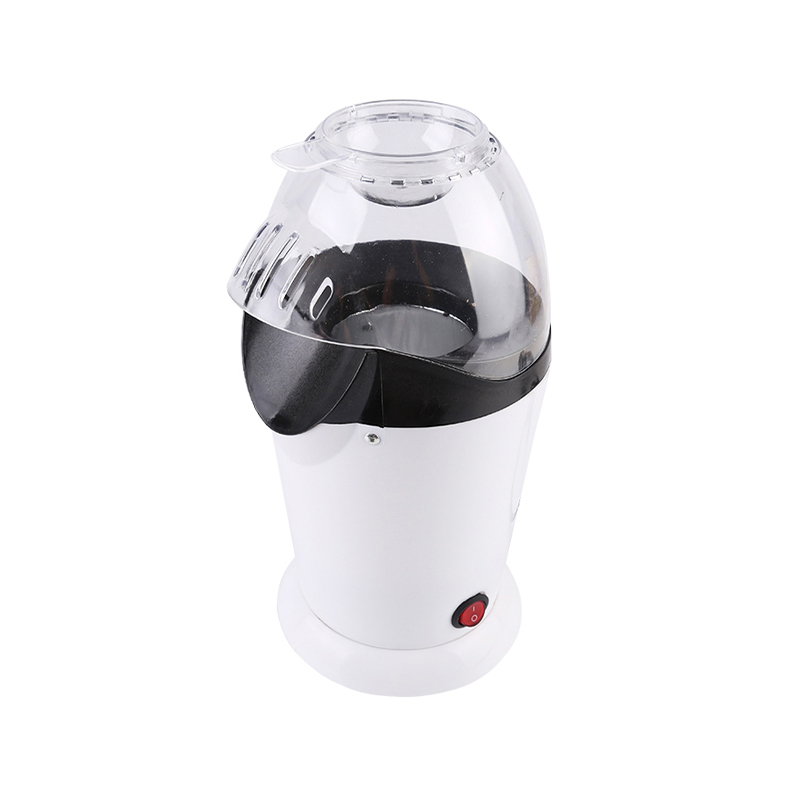
 White 1200W Popcorn Machine with Transparent PC BoxThis compact model offers fast heat recovery and even popping thanks to its 1200W power and aluminum pot. The transparent PC box lets you watch the process, adding fun to family countertop use.View Product →
Capacity. For a family of four, a 2.5 to 4 oz kettle is enough. Larger kettles need more oil, more space, and more time to heat. If you entertain often, a 6 oz kettle gives you options, but expect a bigger footprint.
Stirring rod. A motorized rod keeps kernels moving, but it can also trap kernels underneath. Some designs have a rod that sits higher, leaving clearance for kernels to move; others press them into the kettle floor. Check the clearance, or accept that a few kernels will stay unpopped.
Finally, think about cleaning. A removable kettle that can be washed in a sink saves more time than any other feature. Models with a warming deck and a hinged door look great on a counter but add parts to dust and wipe down.
Cleaning and Keeping It Ready
Cleaning determines how the next batch tastes. Oil residue goes rancid, and stale salt attracts moisture, so do not let a dirty machine sit overnight.
- Unplug the machine and let it cool completely.
- Wipe the kettle with a paper towel to remove surface oil before washing.
- Wash the kettle with warm soapy water; never submerge the machine base.
- Dry the kettle fully before the next use; leftover water lowers the oil temperature.
- Check the stirring rod and the area underneath, where kernels can slip in; use a soft brush if needed.
Store kernels in an airtight container in a cool, dry place. Buy only what you will use in two or three months, because moisture loss is gradual. A clean machine, fresh kernels, a proper preheat, oil first, and salt while hot: that routine is what finally makes your kitchen smell like the front of a cinema.