 English
 中文简体
中文简体 عربى
عربى Español

If you want lower-calorie, lower-fat popcorn with minimal cleanup, a hot air popcorn maker is the better choice. If you want richer, movie-theater-style flavor with higher popping yields and more versatility, an oil popcorn machine wins. The right answer depends on how you prioritize health, taste, convenience, and budget — and understanding the real differences between the two methods will help you make a decision you won't regret.
Both hot air poppers and oil-based popcorn machines are widely available, ranging from compact countertop models under $30 to commercial-grade machines exceeding $500. This guide covers how each type works, how they compare on every practical dimension, and which specific scenarios favor one over the other.
How Each Type of Popcorn Machine Works
Hot Air Popcorn Makers
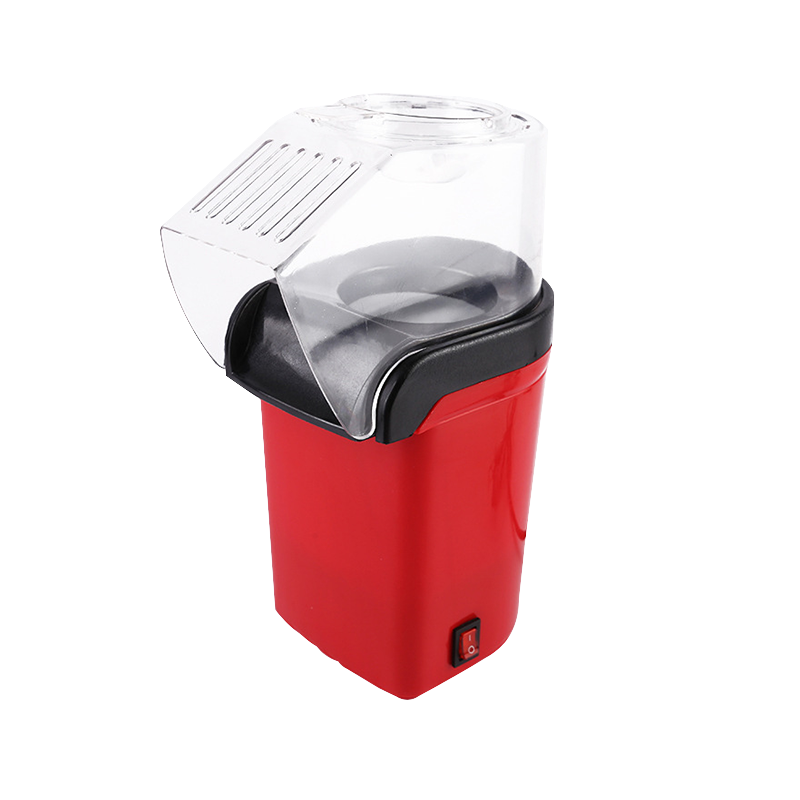
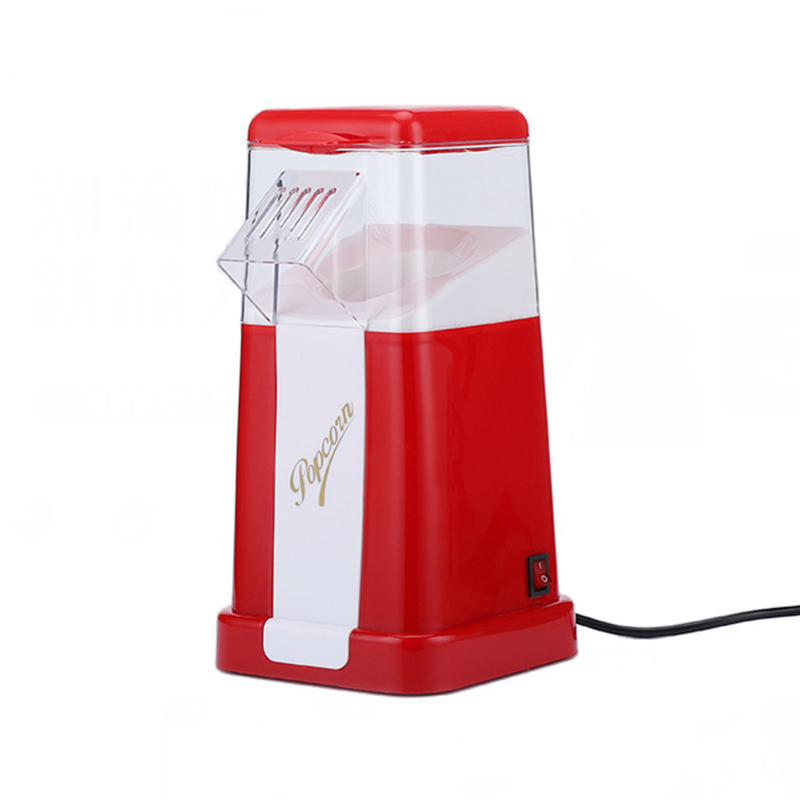
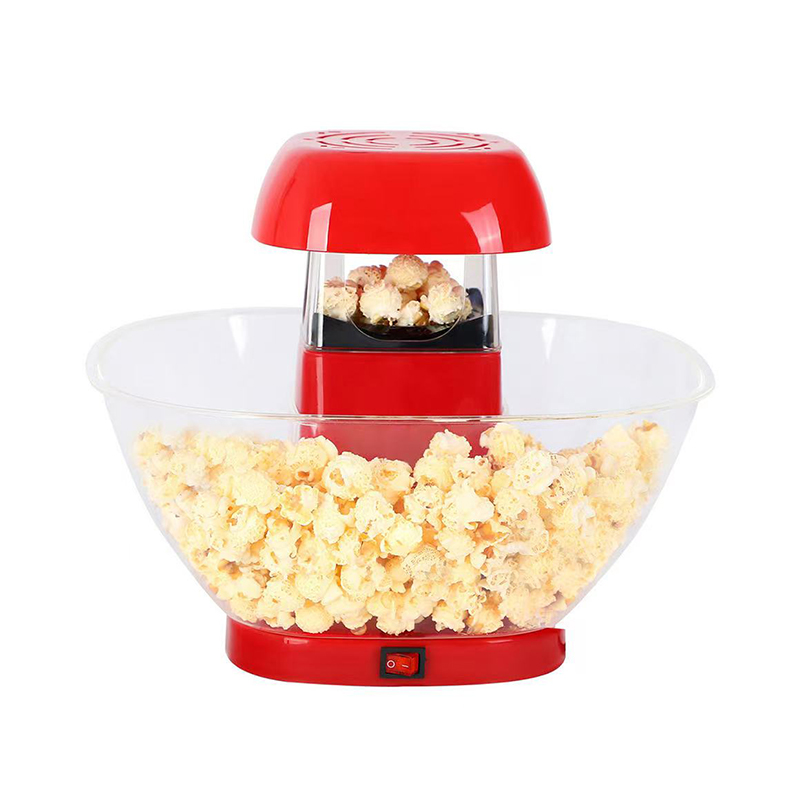
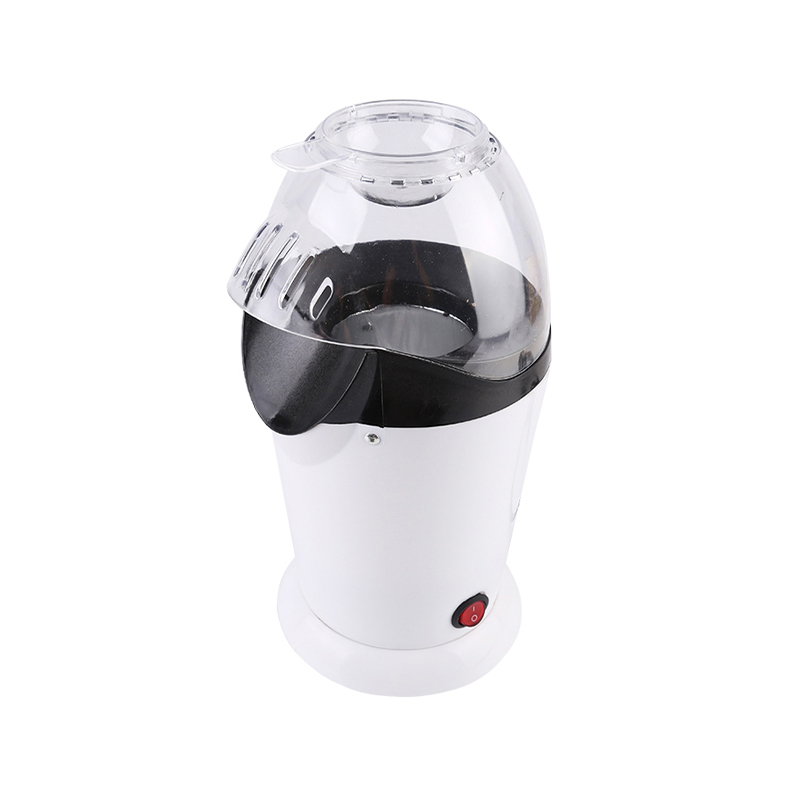
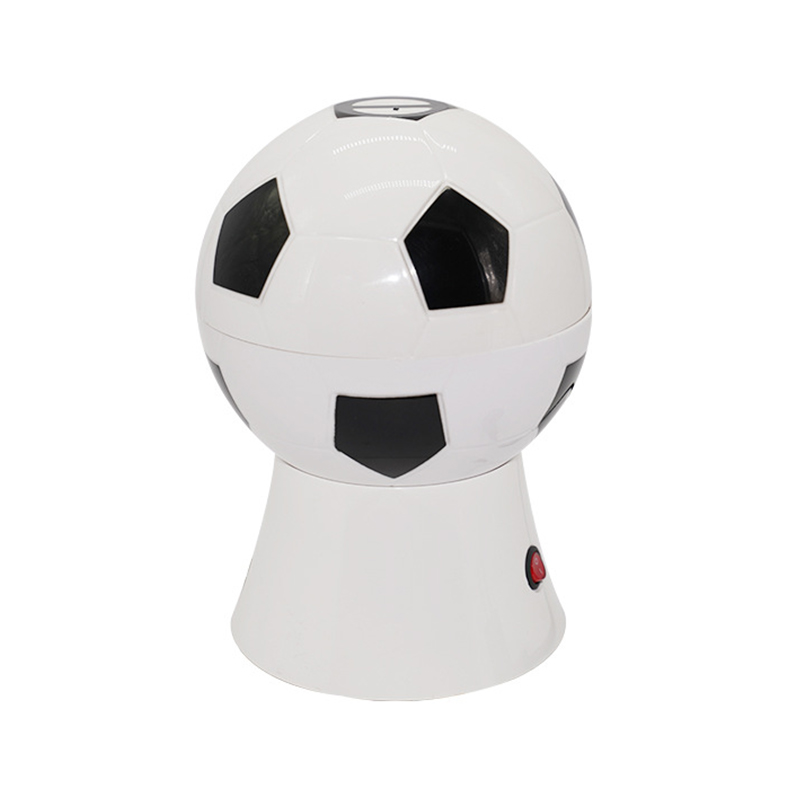
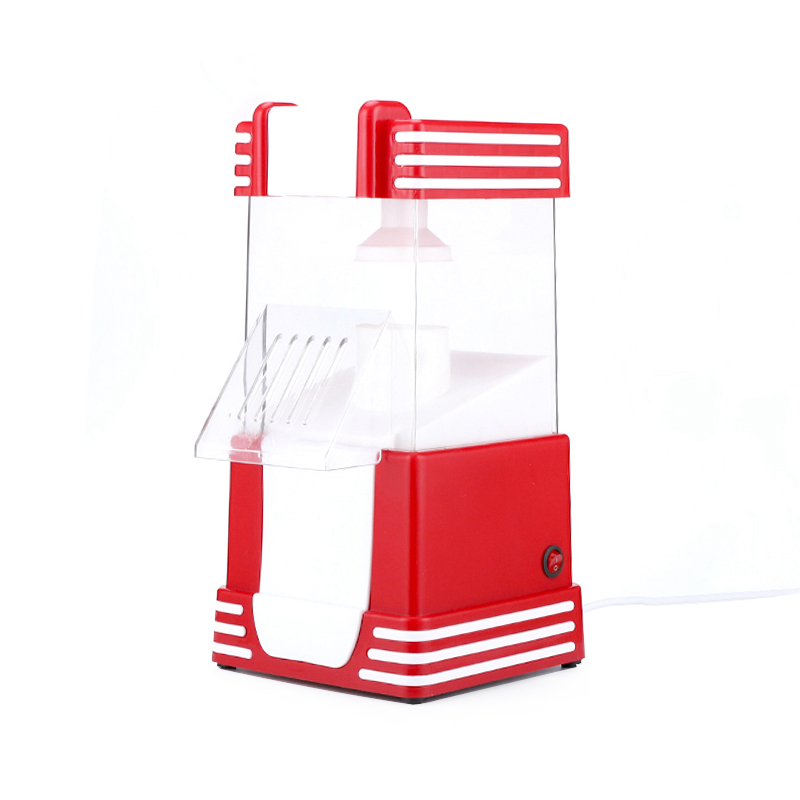
A hot air popcorn maker uses an electric heating element and a fan to circulate superheated air — typically reaching 200–230°C (392–446°F) — around the kernels in a vented chamber. The rapid, even heat causes moisture inside each kernel to turn to steam, building pressure until the kernel explodes and the starch puffs outward. No oil is involved in the popping process. Popped kernels are blown out through a chute into a bowl, usually within 2–3 minutes for a standard 100 g batch.
Oil Popcorn Machines
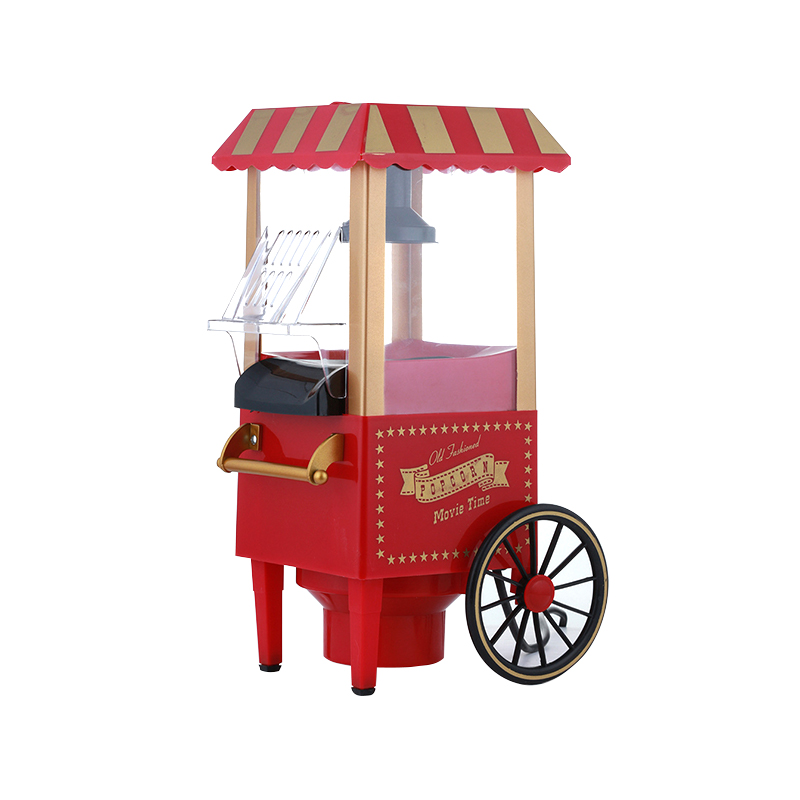
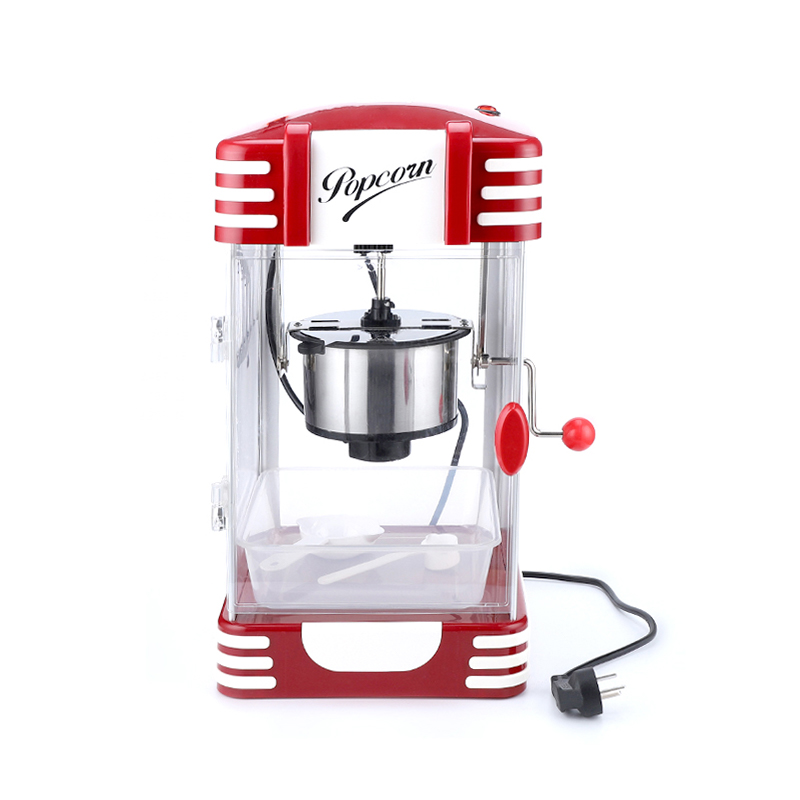
An oil popcorn machine — whether a countertop kettle-style unit or a full-size commercial machine — heats oil in a kettle or pan to 175–200°C (347–392°F), then the kernels are added and stirred continuously by a motorized agitator. The hot oil transfers heat more efficiently and evenly to each kernel than air alone, resulting in faster popping, a higher pop rate, and a crispier, more flavorful result. In commercial movie theater machines, a kettle of 8–12 oz (227–340 g) of kernels produces a full batch in approximately 3–4 minutes.
Hot Air vs Oil Popcorn Machine: Full Comparison
The table below compares both machine types across the factors that matter most to home users and buyers considering a popcorn machine purchase:
| Factor | Hot Air Popcorn Maker | Oil Popcorn Machine |
|---|---|---|
| Calories per 4-cup serving (plain) | ~100–120 kcal | ~150–200 kcal |
| Fat content (plain) | ~1–2 g | ~6–10 g |
| Flavor (unaided) | Light, neutral — needs toppings | Rich, buttery, theater-like |
| Pop rate (unpopped kernel %) | 5–15% unpopped | 1–5% unpopped |
| Texture | Light, airy, sometimes dry | Crispy, dense, satisfying |
| Cleanup difficulty | Very easy — no oil residue | Moderate — kettle/pan requires wiping |
| Operating cost per batch | Kernels only (~$0.10–0.20) | Kernels + oil (~$0.20–0.40) |
| Typical entry-level machine cost | $20–$50 | $35–$120 (home); $300–$800+ (commercial) |
| Batch time | 2–3 minutes | 3–5 minutes |
| Topping adhesion | Poor — dry surface repels powder | Excellent — oil surface grips toppings |
| Suitable for commercial use | No | Yes (commercial kettle machines) |
Health and Nutrition: What the Numbers Actually Mean
The nutritional difference between hot air and oil popcorn is real but often overstated in marketing. Here is what the data shows for plain, unseasoned popcorn per 4-cup (approximately 34 g popped) serving:
- Hot air popped: approximately 110 kcal, 1.2 g fat, 22 g carbohydrate, 3.6 g fiber, 3.5 g protein.
- Oil popped (coconut or canola oil): approximately 165–180 kcal, 7–9 g fat (mostly unsaturated with canola; saturated with coconut), 22 g carbohydrate, 3.6 g fiber, 3.5 g protein.
The popcorn kernel itself — the fiber, starch, and protein — is identical in both methods. The difference is entirely in the added fat. For someone who immediately adds 1–2 tablespoons of butter to their hot-air popcorn (which many do to improve flavor), the calorie gap between the two methods effectively disappears: each tablespoon of butter adds approximately 100 kcal and 11 g of fat.
The practical health advantage of hot air popcorn is greatest when consumed plain or with light seasonings — and it is a genuine advantage for calorie-conscious eaters, people managing cardiovascular disease risk, or those seeking a high-volume, low-calorie snack. Popcorn popped in a good quality oil (coconut, avocado, or canola) is not inherently unhealthy — the fat adds satisfaction and flavor while still leaving popcorn far lower in calories than chips, crackers, or pretzels of the same weight.
Taste and Texture: The Biggest Real-World Difference
For most people comparing the two methods side by side, taste is where oil popcorn wins decisively. The reasons are rooted in flavor chemistry and physical texture:
- Maillard reaction: Oil-popped popcorn undergoes mild Maillard browning at the kernel surface, creating complex, nutty, roasted flavor compounds that air-popped corn simply cannot produce at comparable temperatures.
- Fat-soluble flavor carriers: Many of the volatile aroma compounds responsible for popcorn's characteristic smell and flavor are fat-soluble. Oil acts as a carrier for these compounds, intensifying the sensory experience with each bite.
- Texture: Oil creates a slightly denser, crispier shell on each popped kernel. Hot air popcorn, by contrast, produces a lighter, more hollow puff that many people describe as "styrofoam-like" when eaten plain.
- Topping performance: Seasoning powders (cheese, cinnamon sugar, chili) cling to oil-coated popcorn. On dry air-popped corn, toppings fall to the bottom of the bowl unless a separate oil or butter spray is added first.
In blind taste tests conducted by food publications including Cook's Illustrated, oil-popped popcorn consistently outscored air-popped versions on flavor and texture ratings when both were eaten plain. The margin narrowed significantly when butter and salt were added to air-popped corn — which is the real use case for many hot air machine owners.
Best Oils to Use in an Oil Popcorn Machine
The oil you choose affects both the flavor and the healthiness of your popcorn. Not all oils are equally suited to the high temperatures required for popping — look for oils with a smoke point above 200°C (392°F).
| Oil Type | Smoke Point | Flavor Profile | Health Notes |
|---|---|---|---|
| Refined coconut oil | 204°C (400°F) | Neutral to mildly sweet; closest to theater flavor | High in saturated fat; use in moderation |
| Canola oil | 204°C (400°F) | Neutral, clean | Low saturated fat; good omega-3 ratio |
| Avocado oil | 271°C (520°F) | Mild, buttery | High in monounsaturated fat; heart-healthy |
| Clarified butter (ghee) | 252°C (485°F) | Rich, classic buttered popcorn flavor | Higher in saturated fat; excellent flavor payoff |
| Sunflower oil (refined) | 227°C (440°F) | Light, neutral | High in Vitamin E; moderate omega-6 |
| Olive oil (light/refined) | 216°C (421°F) | Mild olive note | Good monounsaturated fat profile |
Avoid extra-virgin olive oil, unrefined coconut oil, and regular butter for high-heat popping — their low smoke points cause burning, bitter flavor, and harmful oxidized fat compounds. Movie theaters traditionally use coconut oil or a coconut-based "Flavacol" butter-flavored salt combination, which is why their popcorn has that distinctive taste that is difficult to replicate at home with neutral oils.
Popcorn Kernel Types and How They Affect Both Machine Types
The kernel variety you use matters more than most buyers realize — and the same variety performs differently in hot air versus oil machines.
Butterfly (Snowflake) Kernels
Butterfly kernels are the standard variety sold in most supermarkets. They produce large, irregular, wing-like shapes with lots of surface area — great for catching butter and seasoning. They are well-suited to both hot air and oil machines and are the variety used by movie theaters. However, their irregular shape makes them more fragile and prone to breaking during agitation in commercial kettles.
Mushroom Kernels
Mushroom kernels produce round, compact, ball-shaped popcorn. They are significantly more durable than butterfly kernels, holding their shape through tumbling and coating — which makes them the preferred choice for caramel corn, kettle corn, and candy-coated popcorn. Mushroom kernels perform better in oil machines than in hot air poppers, as the oil helps develop their denser texture. They pop best at slightly higher oil temperatures (around 190–200°C) and tend to have a higher unpopped rate in hot air machines.
Hull-less or "Baby" Kernels
So-called hull-less kernels (varieties like Baby White or Baby Yellow) produce smaller, tender popcorn with a thinner pericarp (hull) that is less likely to get stuck in teeth. They work in both hot air and oil machines. Their small size and tender texture make them popular for children and for gourmet flavored popcorn. Expect 10–20% smaller pops by volume compared to standard butterfly kernels.
Cleanup and Maintenance: What to Expect from Each Machine
Cleanup is a real factor in how often you actually use your popcorn machine — and it is one area where hot air poppers have a clear, practical advantage.
Hot Air Popcorn Maker Cleanup
- No oil residue — the machine stays dry and clean after each use.
- Most models have a removable top chute and a butter-warming tray that are dishwasher safe.
- Occasional wiping of the interior chamber to remove starch dust. Total cleanup time: under 2 minutes.
Oil Popcorn Machine Cleanup
- The kettle or pan must be wiped clean of oil and starch residue after every use to prevent burned buildup that becomes progressively harder to remove.
- Commercial machines with enclosed cabinets collect oil vapor on interior surfaces — the cabinet interior should be wiped down weekly with a degreaser in regular-use environments.
- Most home kettle machine pots are removable and dishwasher safe, making the process manageable. Total cleanup time: 5–10 minutes for a home machine; 15–20 minutes for a commercial unit.
Who Should Buy a Hot Air Popcorn Maker
A hot air popcorn maker is the right choice for these buyers:
- Health-focused individuals and families who want a genuinely low-calorie, low-fat snack without relying on willpower to avoid adding butter or oil after popping.
- Budget buyers — quality hot air poppers from brands like Presto or Black+Decker cost $20–$35 and produce consistent results with virtually no maintenance cost.
- Minimal-mess households — people with limited time or patience for cleanup who want popcorn ready in under 3 minutes with nothing to wash afterward.
- People who season their own popcorn creatively — melted coconut oil, nutritional yeast, smoked paprika, truffle salt, or ranch seasoning can be applied after popping to customize hot air popcorn exactly to taste.
- Apartment or small-kitchen dwellers — compact hot air poppers take up minimal counter space and produce no oil splatter, steam, or strong cooking odors.
Who Should Buy an Oil Popcorn Machine
An oil-based popcorn machine is the right choice for these buyers:
- Taste-first consumers who want the richest, most satisfying popcorn at home and are willing to trade some health optimization for significantly better flavor.
- Home theater enthusiasts — a countertop kettle popcorn machine is a centerpiece appliance for a dedicated movie room, delivering the theater experience with the aroma, look, and taste that hot air machines cannot match.
- Entertainers and frequent hosts who regularly serve popcorn to groups and want a higher-volume machine that keeps popcorn warm and visually appealing in a display cabinet.
- Kettle corn and specialty popcorn makers — caramel corn, cheese corn, and kettle corn require oil as a base. These products simply cannot be made in a hot air machine.
- Commercial or semi-commercial operations — food trucks, school cafeterias, sports clubs, cinema operators, and event rental businesses need the output capacity, durability, and NSF/UL certifications that only commercial oil popcorn machines provide.
Tips to Make Better Popcorn with Either Machine
Regardless of which type of popcorn machine you own, these practices will noticeably improve your results:
- Store kernels correctly. Popcorn kernels need to retain approximately 13.5–14% internal moisture to pop properly. Store them in an airtight container at room temperature — not in the freezer (which causes moisture loss) and not in a hot pantry. Kernels stored well last 1–2 years without significant quality loss.
- Don't overfill the chamber or kettle. Overfilling reduces heat circulation in hot air machines and causes uneven popping in oil machines. Follow the manufacturer's maximum fill recommendation — typically ½ cup (100 g) of kernels per batch for home machines.
- Pre-heat your oil machine. Allow the oil in a kettle machine to reach operating temperature before adding kernels. Adding kernels to cold or insufficiently heated oil results in soaked, chewy, under-popped corn. Test readiness by adding 2–3 kernels — when they pop, the oil is ready.
- Season immediately after popping. Salt and other seasonings adhere far better when added to hot, freshly-popped corn. For hot air popcorn, mist lightly with oil spray or melted butter first to create an adhesive surface before adding dry seasoning.
- Use fine salt, not coarse. Finely ground popcorn salt (available specifically for this purpose) distributes evenly across each kernel. Coarse table salt or kosher salt falls to the bottom of the bowl and gives uneven seasoning.
- Serve immediately. Popcorn stales within 20–30 minutes of popping as the puffed starch structure reabsorbs atmospheric moisture and softens. Both oil and air-popped corn are best eaten fresh — the warming lamp on cabinet-style oil machines helps maintain texture for up to 1–2 hours.
Recommended Popcorn Machines by Use Case
The following guidance maps specific buyer situations to the most appropriate machine type and category:
| Use Case | Recommended Machine Type | Budget Range | Key Feature to Look For |
|---|---|---|---|
| Daily healthy snacking (1–2 people) | Hot air popper | $20–$40 | Butter-warming tray; dishwasher-safe parts |
| Family movie nights (3–5 people) | Home oil kettle machine (4 oz) | $60–$120 | Cabinet with warming lamp; removable kettle |
| Gourmet / specialty flavored popcorn | Stovetop oil popper (Whirley-Pop) | $25–$45 | Stainless or hard-anodized pan; stirring mechanism |
| Quick solo snack / small kitchen | Microwave silicone popper | $15–$30 | BPA-free; collapsible for storage |
| Home theater / entertaining 6–15 people | Home commercial-style machine (8 oz) | $150–$300 | Stainless interior; large cabinet; powerful kettle |
| Commercial venue / food service | Commercial kettle machine (12–16 oz) | $400–$800+ | NSF/UL certification; stainless construction; 1,800W kettle |