 English
 中文简体
 عربى
 Español


"How much is a daiquiri machine?" is usually the first question people ask when planning a backyard party, opening a small bar, or adding a frozen drink menu to an existing café. The honest answer is that there is no single price. A basic countertop unit can be bought for a few hundred dollars, while a heavy-duty commercial dispenser can easily reach several thousand. This guide breaks down the real price ranges, explains what makes one machine far more expensive than another, and looks at the running costs most buyers only discover after the first event.
What Exactly Is a Daiquiri Machine?
A daiquiri machine — also sold under names like frozen drink machine, margarita machine, or slush machine — is a batch freezer that keeps a liquid mix in constant motion while chilling it to a smooth, slushy consistency. Instead of blending one drink at a time, it churns a full batch continuously, which keeps the texture even and lets guests serve themselves straight from a spout.
There are two broad families. Countertop batch units hold one or two removable bowls and are common in home kitchens, small bars, and catering setups. Floor-standing dispensers are significantly larger, with built-in compressors, larger holding tanks, and the ability to run for hours without a break. A third category, the granita machine, produces a coarser crystalline slush and is a familiar sight in coffee shops, bakeries, and dessert cafés.
Most machines work on the same principle: a motor turns an auger that scrapes the freezing mixture off the walls of the bowl while simultaneously pushing it upward to keep it aerated. The cooling system — either a simple freezing coil in small units or a real compressor in larger ones — determines how quickly the machine recovers after each serve.
How Much Is a Daiquiri Machine? Typical Price Ranges
The table below summarizes what you can expect to pay for a new machine at typical retail prices, in US dollars. Remember that these are broad ranges: a no-frills model at the low end of a band will lack the capacity or build quality of a premium model at the top.
| Category | Typical Price | Best Suited For |
|---|---|---|
| Home countertop unit (single bowl) | $150 – $500 | Family parties, occasional use |
| Semi-commercial countertop unit | $500 – $1,500 | Small bars, caterers, frequent events |
| Commercial floor-standing dispenser | $1,500 – $5,000+ | High-volume bars, restaurants, rental companies |
| Granita / slush machine | $800 – $3,500 | Cafés, dessert shops, self-serve stations |
These figures reflect retail prices for new equipment. If you are sourcing for a business, buying directly from a manufacturer or ordering in bulk can noticeably reduce the unit cost. And for a one-time celebration, renting is often the smarter move: daily rental rates for a countertop frozen drink machine typically land between $100 and $250.
Key Factors That Affect the Price
Why does one machine cost $200 and another $4,000? These are the main drivers:
- Bowl capacity and number of bowls. A single-bowl home unit holds roughly 1.5 to 2 liters. Double- and triple-bowl commercial models hold 8 to 15 liters or more per bowl, and every extra bowl adds hardware, motors, and cooling capacity — and price.
- Cooling system. Small machines use a freezing coil wrapped around the bowl, which is fine for light use. Commercial units use a real compressor that can keep up with continuous serving and recover quickly between drinks.
- Motor and auger quality. A stainless steel auger and a motor designed for sustained duty cost more to build and last far longer than the plastic components found in budget machines.
- Build material. Food-grade polycarbonate bowls, stainless steel frames, and sealed drip trays push the price up, but they also make the machine easier to clean and keep hygienic.
- Controls and extra features. Digital timers, adjustable thickness settings, automatic cleaning cycles, and self-serve faucets are convenient additions that also raise the sticker price.
- Brand, warranty, and support. A recognizable brand with local service centers and a multi-year warranty commands a premium. For a business, that premium is usually worth paying.
Home vs. Commercial: A Quick Comparison
If you are still deciding which way to go, the difference usually comes down to duty cycle. A home machine can run for an hour or two at a party, then needs time to refreeze. A commercial machine is built to run all day, every day. That duty cycle is the real reason for the gap in price — not just the brand name.
The Real Cost of Owning a Daiquiri Machine
The purchase price is only the beginning. Anyone planning to buy should also budget for the following:
- Electricity. A home unit typically draws 200 to 400 watts; a commercial unit can draw 700 watts or more. Running a machine through a long event does show up on the power bill.
- Cleaning supplies. Health regulations require thorough daily cleaning. Sanitizers, descaling agents, and replacement brushes become a recurring expense.
- Replacement parts. Augers, seals, and motors wear out over time. For commercial machines, a rough rule of thumb is to set aside about 10 to 15 percent of the purchase price per year for maintenance and spares.
- Drink mix. Pre-made commercial mixes cost roughly $15 to $30 per gallon. Making your own mix from rum, fruit juice, and syrup is cheaper but takes time and consistency testing.
A Budget-Friendly Alternative: Frozen Drinks at Home
Now for the honest part. If you host a few gatherings a year, a dedicated daiquiri machine may be more equipment than you actually need. A blender and a compact ice shaver can turn out the same kind of slushy drinks in minutes, and both are easier to clean and store. Shaved ice machines offer an extra advantage: they transform ordinary ice into soft, fluffy snow that absorbs syrups and cocktail mixes beautifully — the texture people expect from a good frozen drink. Our step-by-step guide to making shaved ice at home walks you through the process from start to finish.
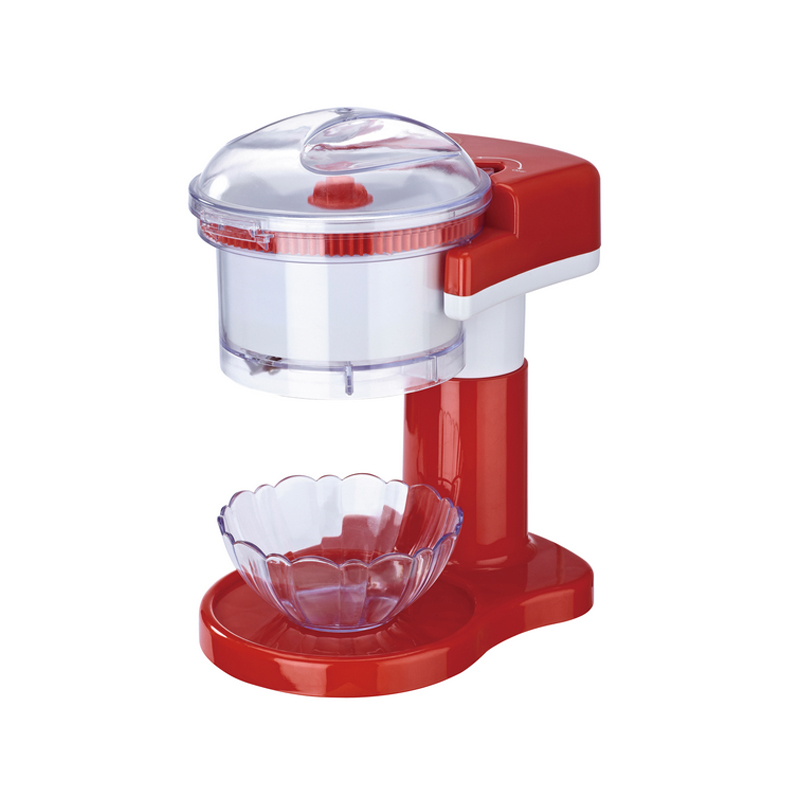 Compact 30W Electric Ice Shaver for Home Slushy DrinksThis versatile ice shaver also handles smoothies, making frozen daiquiris and granitas easy. Its small footprint suits home kitchens, offering the fluffy ice texture cocktails need.View Product →
For home kitchens and small operations, the practical choice is often a single machine that handles several jobs. A 30-watt electric ice shaver that also works as a smoothie machine can make frozen daiquiris, granitas, and fruit smoothies without taking over your countertop. An ice cream maker extends the menu further, covering frozen desserts and sorbets for roughly the same budget as an entry-level daiquiri machine — but with much more versatility throughout the year.
 Small-Batch Home Ice Cream Maker with Quiet OperationA compact ice cream maker that produces 150ml batches, ideal for singles or small families. It extends your frozen dessert options beyond shaved ice, staying useful year-round.View Product →
This matters because a single-purpose slush machine sits idle for most of the year unless your household entertains constantly. A shaved ice and ice cream setup, by contrast, stays useful every season.
What to Look For When Buying
Whether you choose a daiquiri machine or a more flexible setup, keep these points in mind before you pay:
- Match capacity to real usage. A 1.5-liter home unit serves roughly 10 to 15 small cups per batch. A commercial unit should be able to serve a line of customers without stopping to refreeze.
- Check the cooling mechanism. Compressor models hold temperature better in warm rooms; coil-based models are cheaper but slower to recover after heavy use.
- Prioritize easy cleaning. Removable bowls, hinged lids, and dishwasher-safe parts reduce the daily hassle dramatically.
- Inspect the warranty and spare parts situation. A machine you cannot repair is a machine you will eventually have to replace.
- Consider the noise level. Some units are surprisingly loud. If the machine will run near guests, look for user reviews that mention noise.
- Choose a supplier who understands your context. For business buyers, a manufacturer that offers custom design and OEM service can adapt voltage, branding, and controls to your target market.
Final Thoughts: Is a Daiquiri Machine Worth the Price?
A daiquiri machine is a serious investment, and whether it pays off depends almost entirely on how often it will run. For a busy bar or a catering business, the math is straightforward: a $3,000 commercial unit selling $7 drinks pays for itself in fewer than 150 servings. For a family that hosts a few parties a year, a modest home unit — or a flexible shaved ice and smoothie setup — is a far better value.
As a small appliance manufacturer, our goal is to help families and small businesses make fresh food and drinks without industrial budgets. We build compact machines that are easy to use, simple to clean, and reliable over years of regular use. And because we run our own factory, we can adapt products to your needs through our custom design and OEM service. If you are planning a product line around frozen drinks or simply want a machine that fits the way you actually entertain, we would be glad to help you find the right answer — at the right price.