 English
 中文简体
中文简体 عربى
عربى Español

A popcorn maker works by heating popcorn kernels until the small amount of water trapped inside each kernel turns to steam, building internal pressure until the kernel's hard outer hull bursts and the starchy interior expands into the familiar fluffy shape. This happens at a fairly specific temperature — kernels pop reliably once they reach approximately 356°F (180°C) internally — which is why consistent, controlled heat is the single most important factor separating a machine that produces fluffy popcorn from one that scorches kernels or leaves many unpopped.
This article explains the science behind popping, the different heating methods used across popcorn machine types, how to choose the right one, and the maintenance habits that keep a machine performing well over time.
The Science Behind How a Kernel Pops
Each popcorn kernel contains a small amount of water, typically around 13–14% moisture by weight, sealed inside a hard, mostly impermeable outer hull. As heat is applied, that internal water heats up and eventually turns to steam. Because the hull doesn't allow the steam to escape gradually, pressure builds rapidly inside the kernel.
Once internal pressure reaches roughly 135 psi, the hull ruptures explosively, and the pressurized starch inside instantly expands outward, turning inside out as it cools and solidifies into the familiar popcorn shape. This entire transformation happens in a fraction of a second, which is why popping sounds sudden even though the kernel has been heating gradually for a minute or more beforehand.
How Popcorn Machines Deliver That Heat
While the underlying physics of popping is the same across all machines, popcorn machines use different methods to deliver heat to the kernels, each with tradeoffs in speed, flavor, and convenience.
Hot Oil Kettle Machines
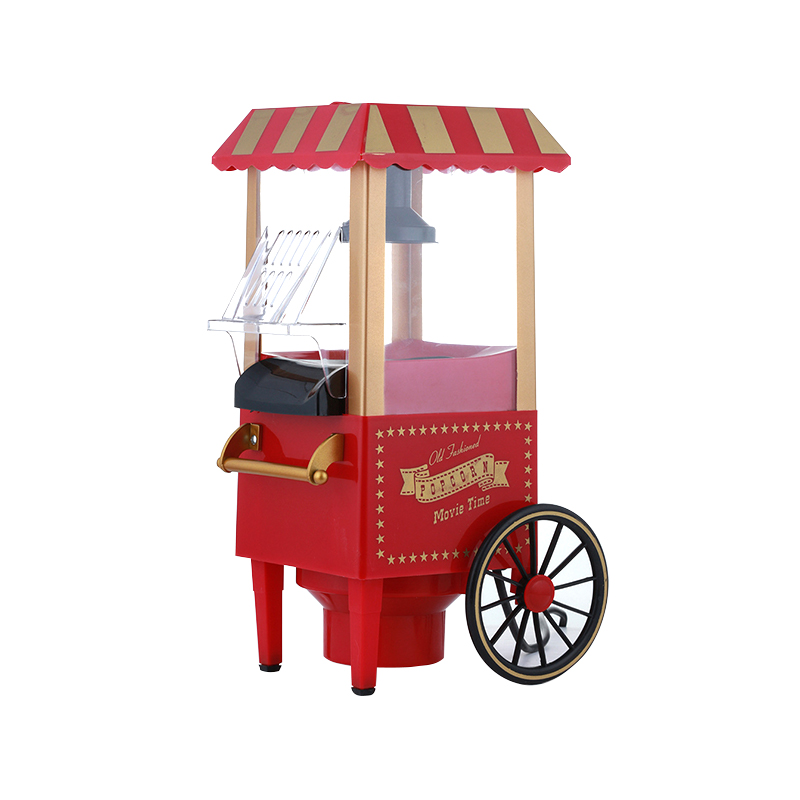
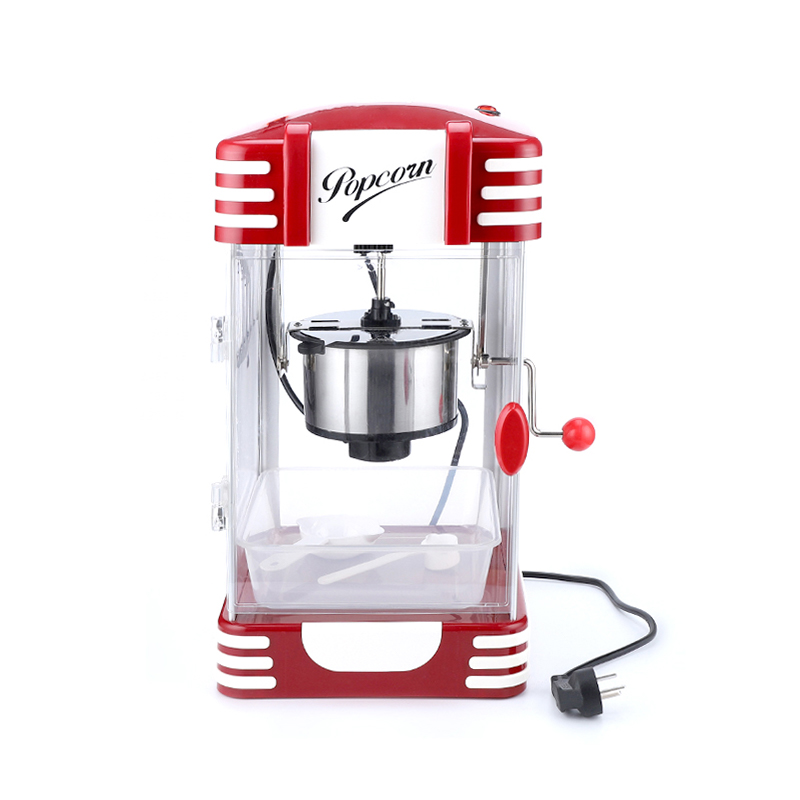
Common in movie theaters and carnival-style machines, these use a heated metal kettle filled with oil, which transfers heat to kernels quickly and evenly. A built-in stirring paddle continuously moves the kernels to prevent scorching, and the oil also adds flavor and a glossy finish that many people associate with theater-style popcorn.
Hot Air Poppers
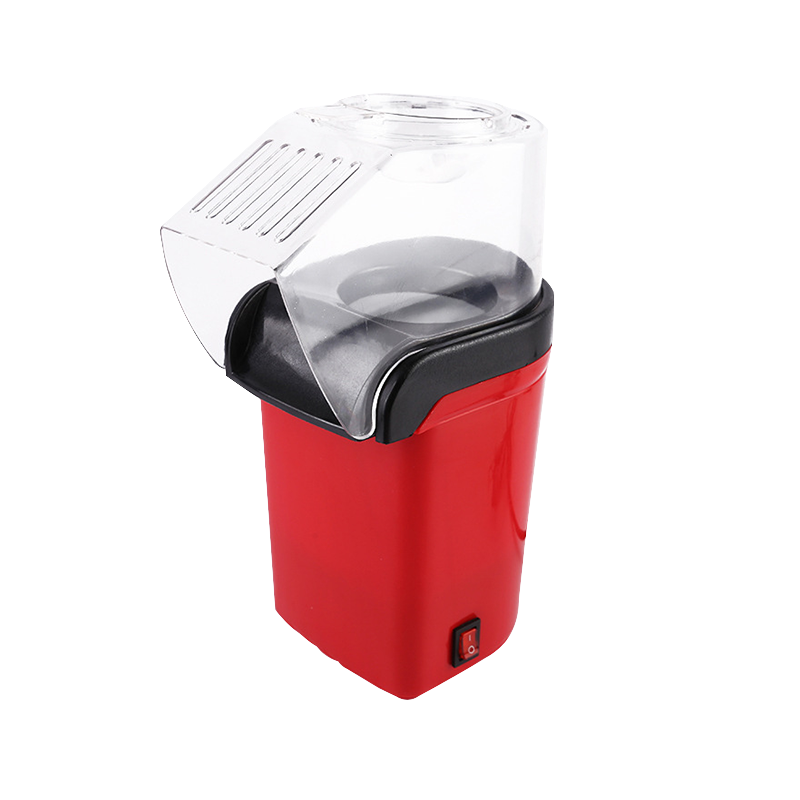
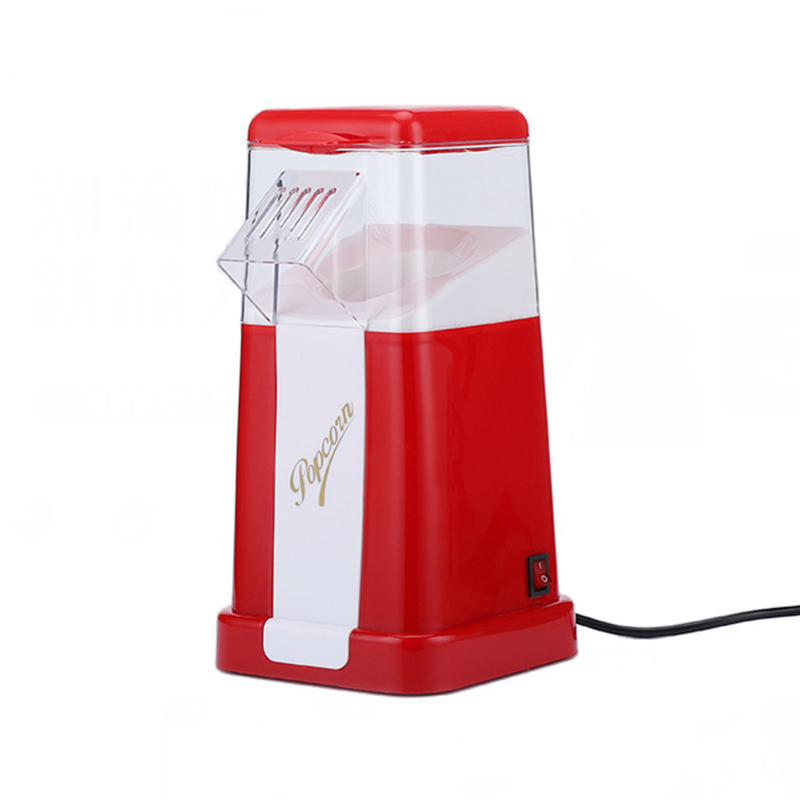
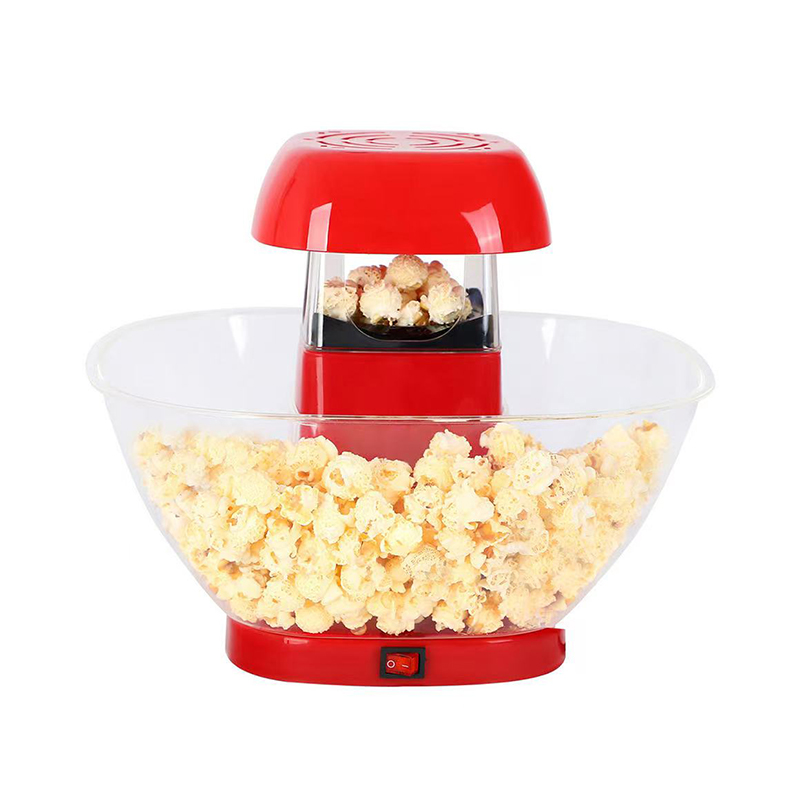
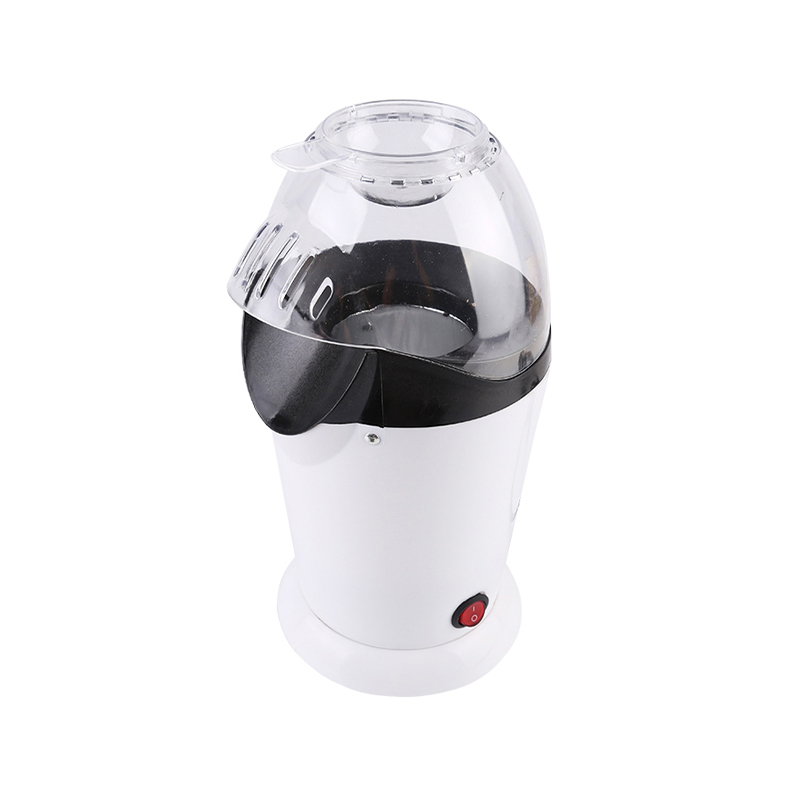
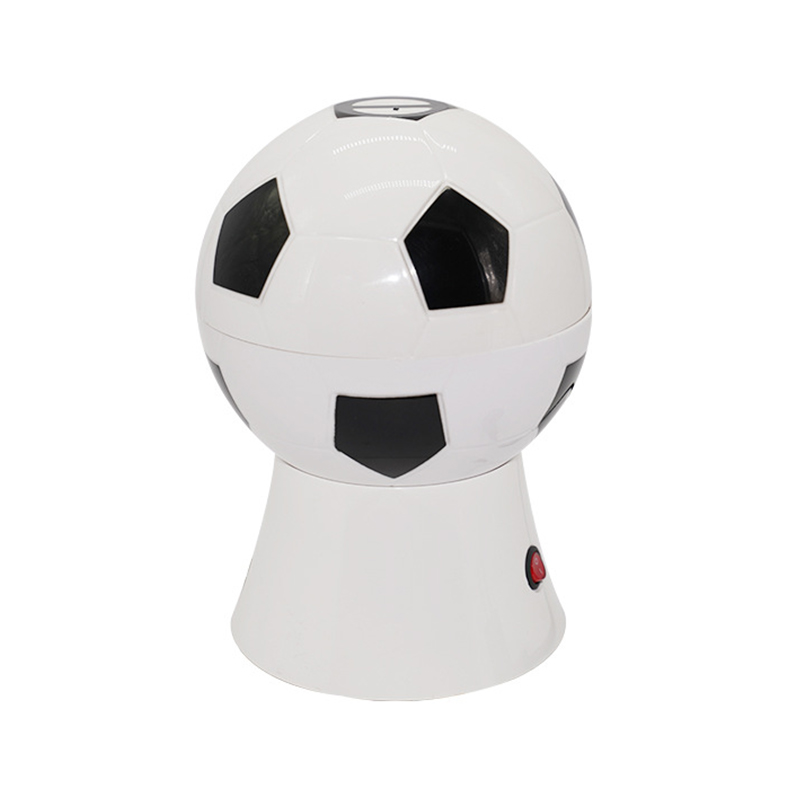
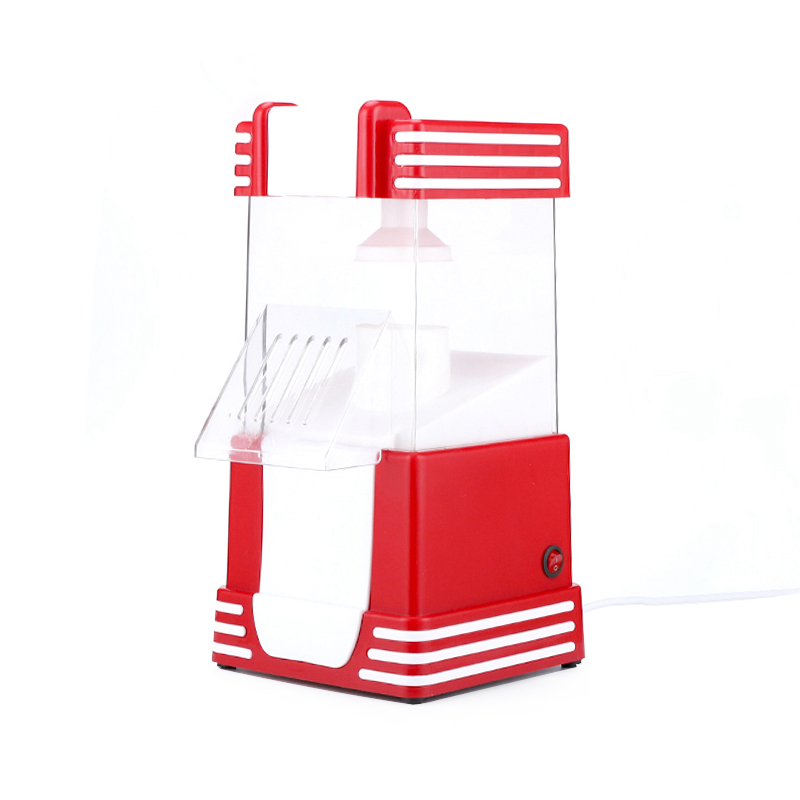
These machines use a heating element paired with a fan that circulates hot air around the kernels, popping them without any added oil. They produce a lower-fat result and are popular for home countertop units, though many users add butter or oil after popping to restore flavor and help seasoning stick to the popcorn.
Microwave Popcorn
Rather than using a dedicated machine, microwave popcorn relies on microwave radiation to excite water molecules directly inside each kernel. A metallic susceptor pad built into the bag also absorbs microwave energy and converts it to direct heat, helping kernels near the bottom of the bag pop more evenly.
Comparing Popcorn Machine Types
| Type | Heating Method | Typical Pop Time | Best For |
|---|---|---|---|
| Hot Oil Kettle | Heated oil + stirring paddle | 2–3 minutes | Theater-style flavor, parties |
| Hot Air Popper | Heated air circulation | 3–4 minutes | Lower-fat home snacking |
| Stovetop Kettle | Direct stovetop heat + oil | 3–5 minutes | No dedicated machine needed |
| Microwave Bag | Microwave radiation + susceptor pad | 2–4 minutes | Convenience, single servings |
Why Some Kernels Don't Pop
Unpopped kernels, often called "old maids," are a common frustration but usually have a specific, fixable cause. Studies on popping efficiency show that optimal moisture content for popping is right around 13.5% — kernels that are too dry lack enough internal water to build sufficient steam pressure, while kernels that are too moist can pop less explosively or become soggy.
- Kernels stored in an open container lose moisture over time, reducing pop rate
- Uneven heat distribution in the machine leaves some kernels below the popping threshold
- Cracked or damaged hulls allow steam to escape before enough pressure builds
- Overcrowding the popping chamber blocks even heat contact across all kernels
Storing unpopped kernels in an airtight container keeps moisture consistent and can noticeably improve pop rate, since dried-out kernels are one of the most common causes of a disappointing batch.
Choosing the Right Popcorn Machine
Selecting a machine comes down to matching the format to how it will be used:
- For occasional home snacking, a compact hot air popper offers a lower-fat option with minimal cleanup
- For parties or entertaining, a tabletop hot oil kettle machine delivers theater-style flavor and larger batch sizes
- For commercial or high-volume use, such as concession stands, a larger kettle machine with a higher wattage motor and stirring mechanism handles continuous batches more reliably
- For minimal upfront cost, a stovetop kettle pot requires no dedicated appliance at all
Kettle capacity is worth checking closely — most home kettle machines are rated to pop 4 to 8 ounces of kernels per batch, producing roughly 16 to 32 cups of popped popcorn, while commercial units scale well beyond that for continuous service.
Cleaning and Maintenance Tips
Regular cleaning keeps a popcorn machine popping efficiently and prevents burnt-oil buildup that can affect flavor over time.
- Wipe down the kettle or popping chamber after each use while it's still slightly warm, when residue is easiest to remove
- Avoid submerging electrical components in water; clean removable kettles separately from the base unit
- Empty and clean oil reservoirs regularly to prevent rancid buildup affecting future batches
- Check stirring paddles and motors periodically for kernel debris that can jam the mechanism
- Store kernels in a cool, airtight container away from direct sunlight to preserve moisture content
Conclusion
A popcorn machine works by applying consistent heat until steam pressure inside each kernel forces it to burst, and the specific method a machine uses to deliver that heat — hot oil, hot air, or microwave energy — determines the texture, flavor, and fat content of the final result. Choosing a machine that matches your typical batch size and flavor preference, paired with proper kernel storage and regular cleaning, is what consistently turns out fluffy, evenly popped popcorn rather than a bowl full of unpopped kernels.