 English
 中文简体
中文简体 عربى
عربى Español

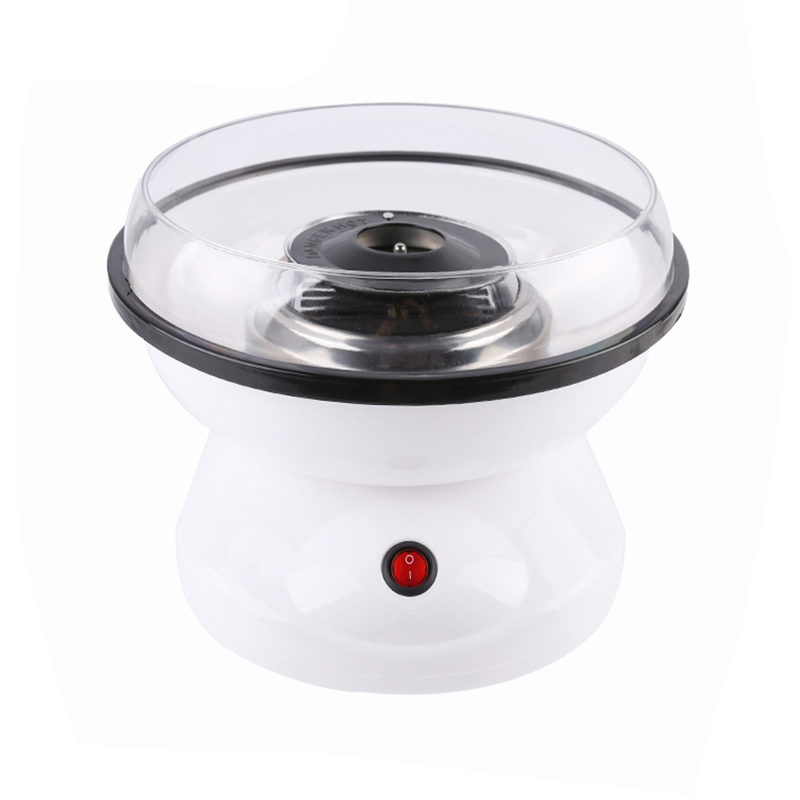
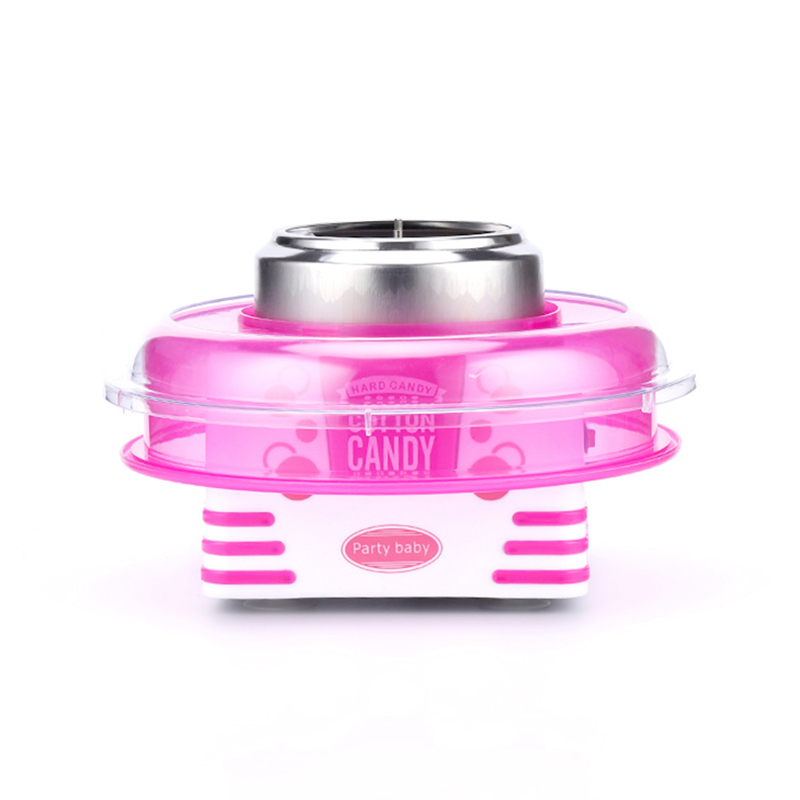
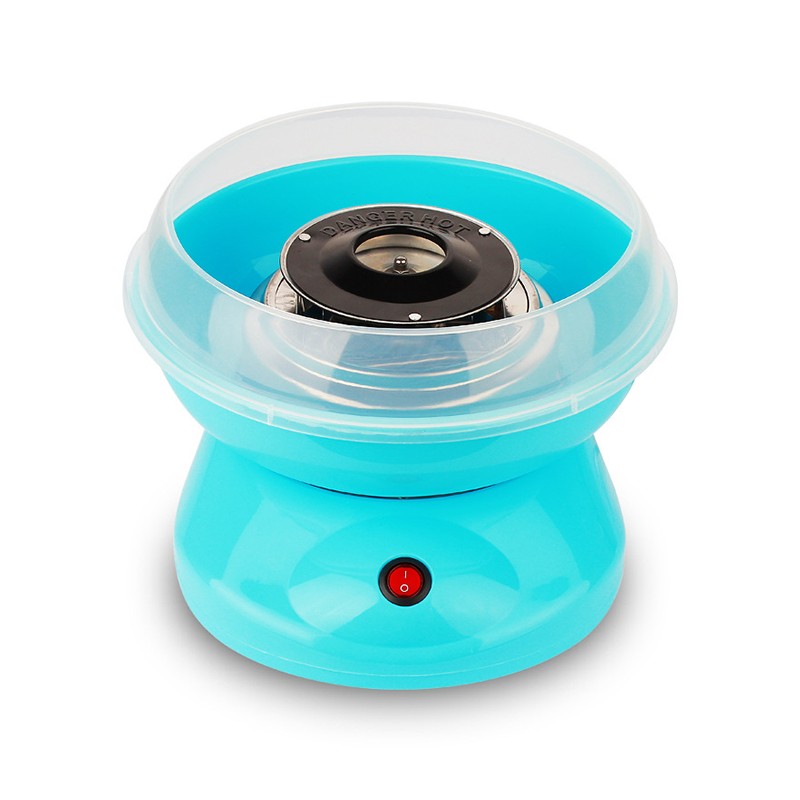
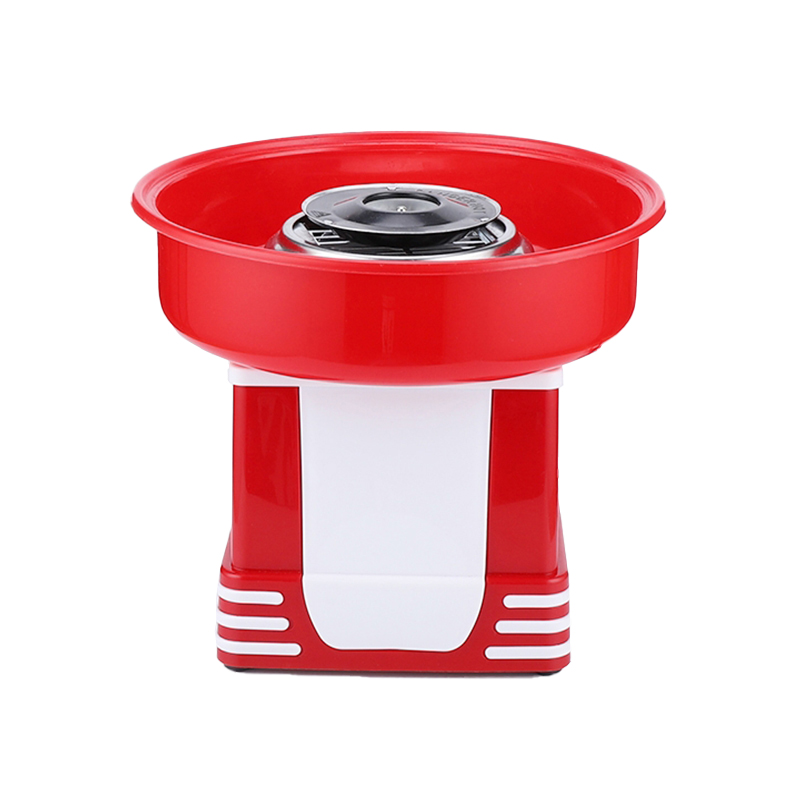
Making cotton candy with a machine is straightforward: you add sugar (plain granulated or flavored floss sugar) to the spinning heated head of the cotton candy machine, wait 30–60 seconds for it to reach operating temperature, then twirl a cone or stick around the bowl rim to collect the fine sugar threads as they fly outward. A kids home cotton candy maker works on exactly the same principle as a commercial machine — a motor spins a small perforated heating head that melts sugar and forces it through tiny holes, creating the delicate strands that form cotton candy. The process takes under 5 minutes from setup to finished serving, making it one of the most accessible home treat experiences available.
How a Cotton Candy Machine Actually Works
Understanding the mechanics helps you get consistently better results, whether you're using a compact kids home cotton candy maker or a larger countertop model.
The Science Behind the Spun Sugar
Cotton candy is made through a process called centrifugal spinning. The machine's spinning head (called the floss head or extruder head) contains a small heating element that melts sugar to approximately 160–180°C (320–356°F). As the head spins at high speed — typically 3,000–3,600 RPM in home machines — centrifugal force pushes the liquid sugar outward through dozens of tiny holes, each less than 0.1 mm in diameter. The molten sugar instantly cools and solidifies as it contacts the surrounding air, forming hair-thin strands. These strands accumulate in the surrounding bowl, creating the familiar cloud of candy floss.
Key Components of a Home Cotton Candy Machine
- Spinning floss head: The core component — contains the heating coil and perforated ring; must reach operating temperature before sugar is added
- Sugar bowl / reservoir: The central cup where granulated sugar is poured; depth and capacity vary by model (most home machines hold 1–2 teaspoons per batch)
- Collection bowl: The wide outer ring that catches outward-flying threads; diameter determines how large a serving you can spin — most kids home cotton candy makers have a bowl diameter of 14–18 inches (35–46 cm)
- Motor: Powers the spinning head; home machines typically draw 40–100W vs. 1,000W+ for commercial units
- On/off or heat/spin controls: Entry-level kids models have a single switch; mid-range models separate the heat and spin controls for better management
Step-by-Step: How to Make Cotton Candy with a Machine
Follow these steps precisely for the best results. The most common beginner mistakes — adding too much sugar and not waiting for full preheat — both happen in the first two steps.
- Set up on a stable, flat surface. Place the cotton candy machine on a table away from drafts, fans, or air conditioning vents. Air movement is the single biggest enemy of cotton candy — even a light breeze will blow threads away before they accumulate. Cover the surrounding area with a tablecloth or newspaper to catch stray threads.
- Preheat the machine for 3–5 minutes. Turn on the machine (heat and spin) without adding any sugar. Wait until the floss head reaches full operating temperature. You'll know it's ready when you see a faint wisp of sugar residue spinning outward if any previous sugar remains, or the motor sound stabilizes. Skipping or shortening preheat is the most common reason threads don't form properly.
- Add a small amount of sugar — no more than 1 teaspoon at a time. Use the small scoop provided with most machines or a standard teaspoon. Pour it slowly into the center sugar reservoir while the machine is running. Adding too much sugar causes clumping, overflow, and caramelization that blocks the holes in the spinning head.
- Watch for thread formation. Within 10–20 seconds of adding sugar, fine strands will begin appearing around the spinning head. If you see liquid droplets spraying outward rather than fine threads, the machine needs more heat time or the sugar was added too fast.
- Collect the cotton candy. Hold a paper cone, paper stick, or wooden skewer at the edge of the bowl, just above the collection surface. Move it in slow circular motions, allowing threads to wrap around the cone. Rotate your wrist rather than moving the cone across the bowl — think of winding yarn onto a spool. A full serving typically requires 2–3 teaspoons of sugar and 60–90 seconds of collection.
- Add more sugar as needed. Once the first batch of threads slows, add another small scoop and continue collecting. Most home machines can produce 3–6 servings before requiring cleaning or a cooldown period.
- Turn off and clean promptly. Turn off the machine while it's still warm. Use a slightly damp cloth or paper towel to wipe the spinning head and bowl while the residual sugar is still soft. Do not submerge electrical components. Hardened sugar residue is significantly harder to remove once fully cooled.
What Sugar to Use — and What to Avoid
Sugar choice has a direct and significant impact on cotton candy quality. Using the wrong type is the second most common reason home machines underperform.
Best Sugar Options for Home Cotton Candy Machines
| Sugar Type | Performance | Flavor Options | Cost | Notes |
|---|---|---|---|---|
| Floss sugar (pre-flavored) | Excellent | 20+ (strawberry, blue raspberry, grape, etc.) | $8–$15 per 1 lb jar | Purpose-made for machines; ideal grain size and added colorants |
| Plain granulated white sugar | Good | None (plain, white) | $1–$2 per lb | Works well; thinner threads than floss sugar; no color |
| Fine caster sugar | Good | None | $2–$4 per lb | Melts slightly faster; slightly finer threads |
| Colored sugar / decorating sugar | Fair | Limited | $4–$8 per lb | Coarser grains can cause clogging; test in small amounts |
| Powdered / icing sugar | Poor | None | — | Do not use — cornstarch additive burns and clogs the head |
| Brown sugar | Poor | — | — | Do not use — molasses content burns, creates sticky mess, damages heating element |
How to Make Your Own Flavored Floss Sugar
You don't need to buy pre-made floss sugar to get flavored cotton candy. Mix 1 cup of plain granulated white sugar with ¼ teaspoon of unsweetened flavored drink powder (such as Kool-Aid or similar) plus a small amount of food coloring gel. Stir thoroughly until the color is evenly distributed and the sugar is completely dry before use. Avoid liquid flavorings — added moisture will clump the sugar and produce poor results.
Kids Home Cotton Candy Makers: What to Expect from Consumer Machines
Kids home cotton candy makers are purpose-designed for household use — smaller, lighter, and simpler than commercial equipment, but capable of producing real cotton candy with the right technique. Understanding their realistic capabilities helps set correct expectations.
How Home Machines Differ from Commercial Machines
| Specification | Kids / Home Machine | Commercial Machine |
|---|---|---|
| Motor power | 40–100W | 800–1,200W |
| Bowl diameter | 14–18 inches (35–46 cm) | 24–28 inches (61–71 cm) |
| Preheat time | 3–5 minutes | 1–2 minutes |
| Output per hour | 6–15 servings | 60–120 servings |
| Thread fineness | Medium (slightly thicker) | Very fine (professional quality) |
| Continuous operation | 15–20 min before cooldown needed | Hours of continuous use |
| Price range | $20–$80 | $300–$2,000+ |
| Ideal use | Family use, parties, kids activities | Events, food service, fairs |
Troubleshooting: Why Your Cotton Candy Machine Isn't Working Properly
Most problems with home cotton candy machines have simple, fixable causes. Here are the most common issues and their solutions:
No Threads Forming — Only Liquid Droplets
This is the most common complaint. Causes and fixes:
- Machine not preheated enough: Turn off the sugar input, let the machine run empty for 2 more minutes, then try again with a very small (½ teaspoon) amount of sugar
- Too much sugar added at once: Sugar pools in the head rather than being expelled — stop adding sugar, let it clear, then restart with a smaller amount
- Humidity is too high: Cotton candy machines perform poorly on humid days (above 60% relative humidity) because the threads absorb moisture and collapse. Run indoors with air conditioning if possible
Threads Form but Don't Stick to the Cone
- Cone held too far from the head: Position the tip of the cone 2–3 inches from the spinning head, at the edge of the bowl, not the center
- Moving too fast: Slow down the circular motion; let threads accumulate on the cone before moving further
- Air movement in the room: Even gentle air currents redirect threads; move away from fans, open windows, and vents
Sugar Burning or Caramelizing in the Head
- Wrong sugar type: Brown sugar or powdered sugar burns — switch to plain granulated white sugar or purpose-made floss sugar
- Overloaded head: Too much sugar sitting in the head without spinning out will caramelize; use ½–1 teaspoon at a time
- Machine needs cleaning: Residue from previous sessions acts as a nucleus for burning; clean after every use
Cotton Candy Melts or Goes Sticky Immediately
- High humidity: The primary cause — sugar threads are hygroscopic (they absorb moisture from the air); serve and eat within 2–3 minutes of spinning
- Touched with wet hands: Even slightly damp hands will dissolve threads on contact; dry hands completely before handling
Creative Flavors and Fun Variations to Try at Home
Once you've mastered the basic technique, experimenting with flavors and presentations turns the cotton candy machine into a creative activity for kids and adults alike.
Flavor Combinations That Work Well
- Blue Raspberry + Strawberry layered: Spin one color first, collect half the serving, then quickly switch to the second color and continue collecting — creates a two-tone swirl
- Watermelon (green) + Pink Lemonade: Summer party classic; use green food coloring with watermelon-flavored drink powder for the base
- Grape + Cherry: Deep purple and red combination; visually striking and intense flavor
- Vanilla + edible glitter: Add a small pinch of edible silver or gold glitter to plain white sugar for a sparkle effect — popular for birthday parties and celebrations
- Cinnamon sugar: Add ¼ teaspoon cinnamon to 1 cup granulated sugar — produces warm-toned cotton candy with a subtle spiced flavor; works well with adult guests
Presentation Ideas for Kids Parties
- Cotton candy ice cream topping: Spin a small amount directly onto a scoop of vanilla ice cream — the threads melt slightly on contact, creating a sweet crust
- Cone decorating station: Set out the machine, multiple flavored sugars, and pre-made cones so kids can spin their own — a hands-on activity and treat in one (with adult supervision)
- Cotton candy grapes: Wrap small clusters of grapes in freshly spun cotton candy for a carnival-inspired party snack
- Color-matched to party theme: Pre-mix sugar in the party's color scheme — a unicorn party uses pink and purple, a superhero party uses red and blue
Safety Guidelines When Using a Cotton Candy Machine with Kids
Cotton candy machines involve a heating element that reaches temperatures high enough to cause burns on contact. Clear safety rules make the experience enjoyable and incident-free.
- Adult supervision is required at all times for children under 10. Children ages 10–14 can operate the machine with an adult present; teenagers 15+ can generally operate independently after a supervised first session.
- Never touch the spinning head or the inner bowl surface during or immediately after operation — the heating element can reach 180°C (356°F) and the metal parts retain heat for 5–10 minutes after shutdown
- Keep hair tied back and avoid loose clothing near the machine — the spinning head and motor can catch loose threads or hair
- Never add water or liquid to the machine during operation — liquid and the heated electrical components are a safety hazard; all flavorings must be in dry form
- Use only the sugar scoop provided and add small amounts — overfilling risks molten sugar splatter from the spinning head
- Allow a 10-minute cooldown before cleaning or storing the machine; clean with dry or barely damp cloths only — never rinse the entire machine under water
Cleaning and Maintaining Your Cotton Candy Machine
Proper cleaning after each use extends machine life significantly and prevents the burned sugar buildup that is the primary cause of poor performance in home machines.
- Clean while still warm (but not hot): Wait 5 minutes after turning off the machine, then wipe the spinning head and inner bowl with a dry or barely damp paper towel. Residual heat keeps the sugar soft and easy to remove.
- For stubborn hardened sugar: Dampen a cloth with warm water and hold it gently against the sugar deposit for 30–60 seconds to dissolve it. Do not scrub aggressively — this can damage the coating on the floss head.
- Clean the collection bowl separately: Most home machine bowls are removable and can be washed with warm soapy water. Dry completely before reassembling — any moisture in the bowl will affect the next session.
- Never use abrasive cleaners or steel wool on any part of the machine — these scratch surfaces and leave residue that burns during the next use.
- Run a "burn-off" before the next session if the machine has been in storage: run it empty for 2 minutes before adding sugar to clear any moisture absorbed during storage.
With proper cleaning and storage in a dry location, a quality kids home cotton candy maker should reliably produce hundreds of batches over multiple years of occasional use. The floss head is the highest-wear component — on machines where replacement heads are available as spare parts, this extends the machine's total usable life considerably.
Tips for Getting the Best Results Every Time
These practical tips separate consistently good cotton candy from frustrating, thread-free sessions:
- Always preheat fully — 3–5 minutes minimum, even if it seems ready sooner. A fully heated head produces finer, more abundant threads.
- Use purpose-made floss sugar for the best results — the grain size and added flow agents are optimized for cotton candy machines; plain granulated works but produces thicker, less voluminous threads.
- Work quickly once threads start forming — cotton candy begins to collapse and stick to itself within 3–5 minutes of production, especially in warm or humid environments.
- Add sugar in small, consistent amounts — the sweet spot for most home machines is ½ to 1 level teaspoon every 15–20 seconds rather than adding a larger amount and waiting.
- Store unused floss sugar in a sealed, airtight container — sugar absorbs atmospheric moisture and clumps if left exposed; clumped sugar doesn't melt evenly and produces poor thread formation.
- Make cotton candy right before serving — it cannot be meaningfully stored; even in a bag, threads clump and dissolve within 30–60 minutes in normal indoor conditions.