 English
 中文简体
中文简体 عربى
عربى Español

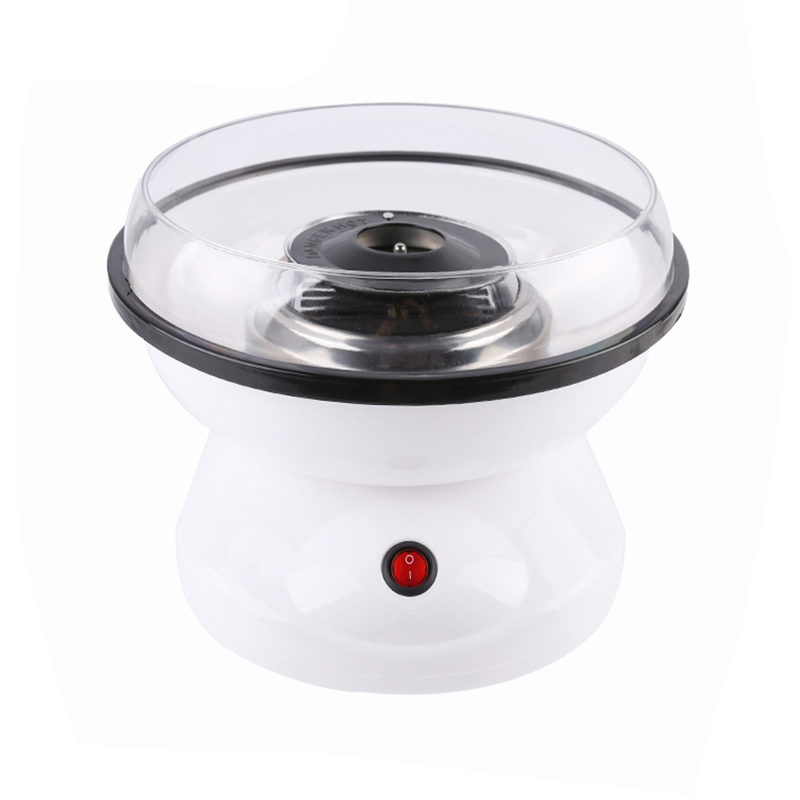
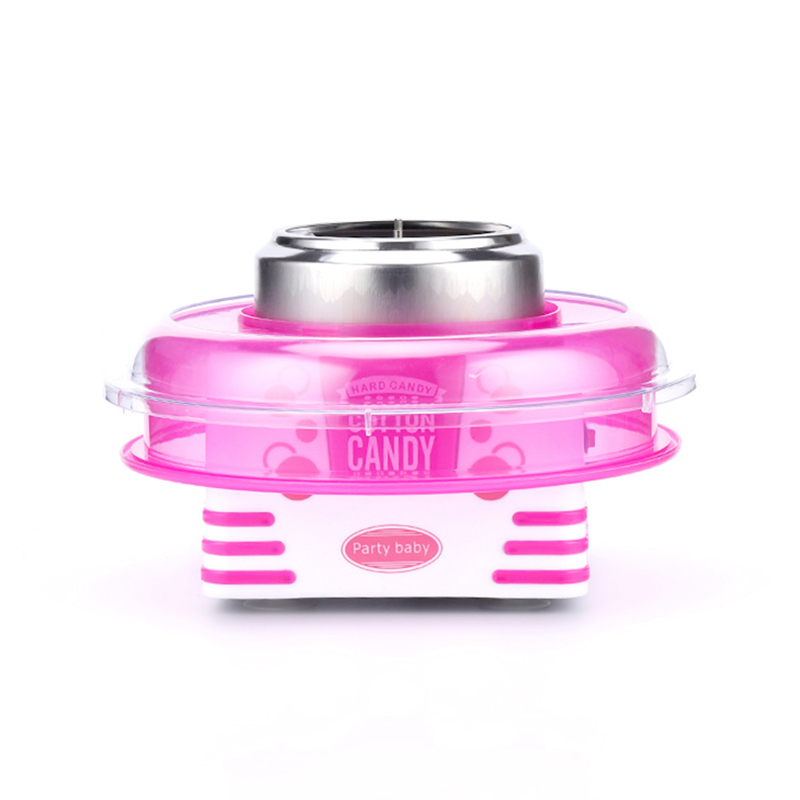
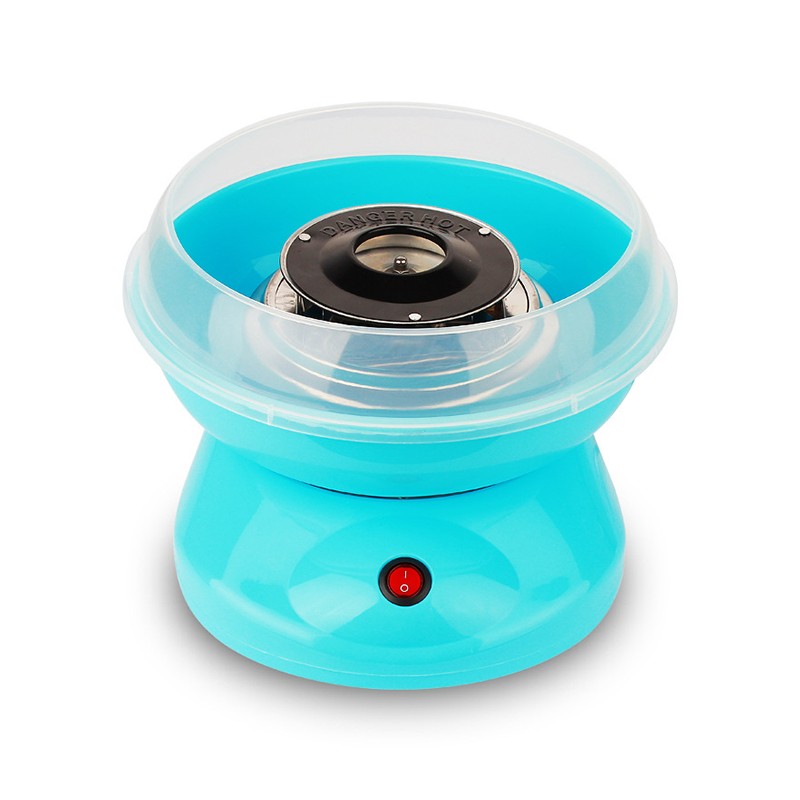
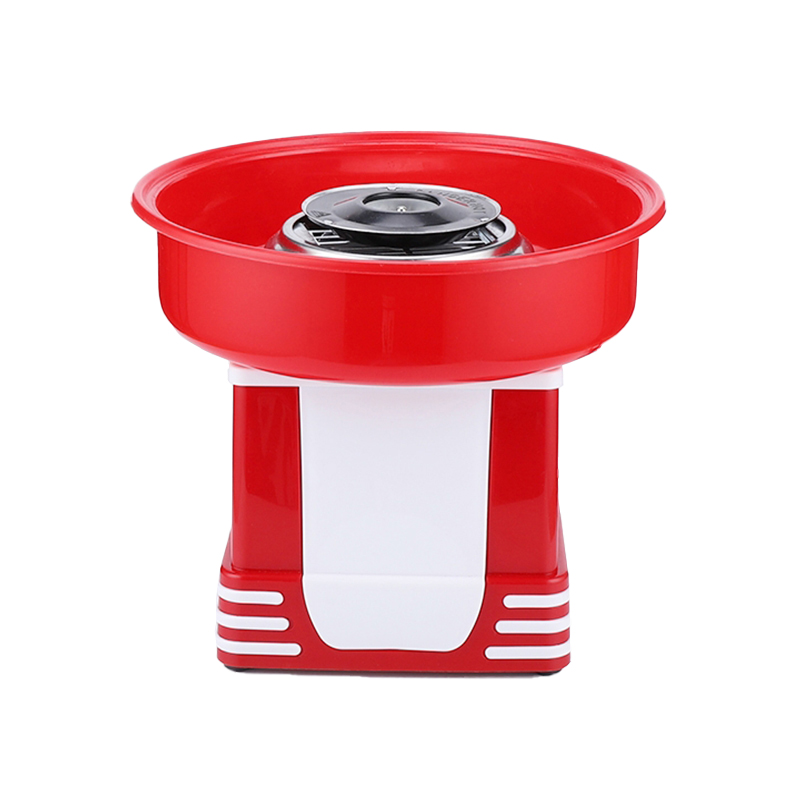
A cotton candy machine works by melting granulated sugar and spinning it through tiny holes at high speed, creating thin strands that solidify instantly into the fluffy, cloud-like texture we recognize as cotton candy. The entire process takes less than 60 seconds from sugar to finished product. Whether you are looking at a commercial carnival unit or a kids home cotton candy maker, the core mechanism is identical — only the scale and power differ.
Understanding how a cotton candy maker works helps you operate it correctly, troubleshoot common problems, and choose the right machine for home or party use. This guide covers everything from the physics of sugar spinning to practical buying advice for home models.
The Core Mechanism: How a Cotton Candy Machine Works Step by Step
The science behind every cotton candy machine — from a $30 kids' toy to a $600 commercial unit — relies on the same four-stage process: heat, centrifugal force, extrusion, and rapid cooling.
- Sugar is loaded into the spinning head: Granulated sugar (or pre-flavored floss sugar) is poured into a central reservoir called the spinner head or floss head, typically made of stainless steel or aluminum.
- A heating element melts the sugar: A resistive heating coil surrounding the spinner head raises the temperature to approximately 180–200°C (356–392°F) — just above sugar's melting point of around 160°C. At this temperature, solid sugar crystals liquefy into a viscous syrup.
- Centrifugal force pushes liquid sugar outward: The spinner head rotates at 3,000–5,000 RPM in commercial machines (1,500–3,000 RPM in home models). This centrifugal force drives the molten sugar outward toward a ring of tiny holes — each measuring approximately 0.04–0.1mm in diameter — perforating the outer wall of the head.
- Sugar strands solidify instantly on contact with air: As the ultra-thin streams of liquid sugar are forced through the holes, they hit the cooler ambient air and solidify almost instantaneously into fine filaments. These individual fibers are roughly 10–50 micrometers thick — thinner than a human hair.
- Strands are collected on a cone or stick: The operator uses a paper cone, stick, or gloved hand to gather the airborne fibers as they accumulate in the surrounding bowl, building up the characteristic fluffy ball of cotton candy.
The final product is approximately 99% air by volume — a single serving of cotton candy weighs only about 28 grams (1 oz) despite appearing large. This is purely a function of how many thousands of individual sugar fibers are woven together into the finished product.
Key Components Inside Every Cotton Candy Maker
Knowing what each part does helps you understand why correct operation matters — and why certain mistakes cause poor results.
| Component | Function | Material (Typical) |
|---|---|---|
| Spinner / Floss Head | Holds sugar, melts it, and spins it outward through fine holes | Stainless steel or aluminum |
| Heating Element | Heats the head to sugar's melting point (~180°C) | Resistive coil (nichrome wire) |
| Electric Motor | Drives the spinner head rotation (RPM determines strand fineness) | AC or DC motor |
| Collection Bowl | Catches and contains the extruded sugar fibers | Plastic or stainless steel |
| Base / Housing | Contains motor, wiring, and supports the bowl | ABS plastic or steel |
| Bubble Guard (commercial) | Transparent shield that prevents floss from escaping | Polycarbonate or acrylic |
What Type of Sugar Works in a Cotton Candy Machine
Not all sugars perform equally. The type and grind of sugar significantly affects output quality, machine longevity, and how quickly the floss head clogs.
Floss Sugar (Recommended)
Floss sugar is the purpose-formulated product sold specifically for cotton candy machines. It is a fine-grain sugar pre-mixed with food coloring and flavor. It melts evenly, produces consistent strands, and is less likely to caramelize and clog the spinner head. Most home cotton candy makers are calibrated for this sugar type. A standard 1 lb bag of floss sugar yields approximately 8–12 servings.
Regular Granulated Sugar
Plain white granulated sugar works in most cotton candy makers, but produces plain white or off-white floss with no added flavor. It tends to melt slightly less uniformly than floss sugar and can cause faster buildup in the spinner holes. Many home machines — especially kids' models — specify that only floss sugar should be used to protect the heating element.
Sugars to Avoid
- Powdered / confectioners' sugar: Contains cornstarch, which does not melt correctly and clogs the holes almost immediately.
- Brown sugar: The molasses content burns at cotton candy temperatures, creating a sticky, dark residue and a bitter flavor.
- Coarse or rock sugar: Takes too long to melt completely, resulting in uneven output and potential damage to the spinner head over time.
Home vs. Commercial Cotton Candy Machines: Key Differences
The working principle is the same, but engineering choices separate a $35 kids home cotton candy maker from a $500 commercial unit. Understanding these differences helps set realistic expectations.
| Feature | Kids / Home Cotton Candy Maker | Commercial Cotton Candy Machine |
|---|---|---|
| Power consumption | 100–150 watts | 900–1,700 watts |
| Spinner RPM | 1,500–2,500 RPM | 3,000–5,000 RPM |
| Warm-up time | 3–5 minutes | 1–3 minutes |
| Output per hour | ~10–20 servings | ~60–120 servings |
| Continuous use limit | 15–30 minutes (motor overheating risk) | All-day continuous operation |
| Bowl diameter | 30–40 cm | 50–70 cm |
| Price range | $25–$80 | $300–$800+ |
| Best for | Home use, small birthday parties | Events, carnivals, food service |
How to Use a Kids Home Cotton Candy Maker: Step-by-Step
Most home cotton candy makers follow the same basic operating procedure. Getting each step right makes the difference between a bowl full of fluffy floss and a sticky, clumped mess.
- Assemble the machine on a flat, stable surface: Attach the collection bowl and ensure the spinner head is properly seated and locked into the motor shaft.
- Preheat the machine: Switch on the heat setting only (without adding sugar) and allow 3–5 minutes for the spinner head to reach operating temperature. Most home machines have an indicator light that signals when ready.
- Add sugar to the spinner head: Using the included scoop, pour a small amount of floss sugar — typically one scoop (about 1–2 teaspoons) — into the center well of the spinner head. Do not overfill; excess sugar spills over without spinning into floss.
- Start the motor: Switch on the spin function. Within 20–40 seconds, fine strands should begin appearing around the spinner head and settling in the bowl.
- Collect the floss: Hold a paper cone or stick at bowl level and slowly rotate it in circles to gather the accumulated strands. Work quickly — cotton candy begins to deflate and stick to itself after a few minutes in humid conditions.
- Add more sugar as needed: Add one scoop at a time. Continuous small additions produce better results than loading the head all at once.
- Clean promptly after use: While the head is still warm, wipe it down with a damp cloth. Hardened sugar is much more difficult to remove once cooled. Never submerge the motor base in water.
Why Cotton Candy Comes Out Wrong: Common Problems and Fixes
Most problems with a cotton candy maker trace back to temperature, sugar type, or humidity. Here are the most frequent issues and their solutions:
No Strands Forming
- Cause: Machine not fully preheated; sugar added too early before the head reaches operating temperature.
- Fix: Wait the full recommended preheat time (3–5 minutes for home models) before adding sugar.
Thick, Clumpy Strands Instead of Fine Floss
- Cause: Too much sugar added at once; motor running below optimal RPM due to overloading or low power.
- Fix: Reduce to one small scoop at a time and allow the machine to spin between additions.
Cotton Candy Melts or Feels Sticky Immediately
- Cause: High ambient humidity. Sugar is hygroscopic — it absorbs moisture from the air, causing fibers to collapse and stick together. This is the most common problem on humid or rainy days.
- Fix: Operate in an air-conditioned room with humidity below 50%. Serve immediately after spinning.
Burning Smell or Dark Residue
- Cause: Wrong sugar type (brown sugar, powdered sugar) or overheating from excessive continuous use.
- Fix: Use only floss sugar or plain white granulated sugar. Allow the machine to cool for 10 minutes if used continuously for more than 20 minutes.
What to Look for When Buying a Kids Home Cotton Candy Maker
The home cotton candy maker market spans from basic toy-grade units to semi-professional countertop machines. These are the features that matter most for home and family use:
Bowl Size
A larger bowl means more room to collect floss before it escapes. Look for a bowl diameter of at least 35 cm for home use. Smaller bowls under 30 cm are designed for novelty toy use and produce very small servings.
Wattage and Motor Quality
Higher wattage means faster warm-up time, higher RPM, and finer floss. For a home cotton candy maker used at birthday parties, aim for at least 100 watts. Units under 80 watts often struggle to maintain consistent output across multiple servings.
Ease of Cleaning
Removable, dishwasher-safe bowls and detachable spinner heads make cleanup significantly faster. Avoid models where the spinner head is fixed or difficult to access — hardened sugar buildup reduces performance and is difficult to remove.
Safety Features for Children
- Cool-touch exterior housing — the bowl and base should not become dangerously hot during operation
- Enclosed or recessed spinner head to prevent fingers from contacting the hot rotating element
- Automatic shutoff on motor overheating (present in better-quality home units)
- Non-slip base to prevent tipping during operation
Included Accessories
Good home cotton candy makers include paper cones or sticks, a sugar scoop, and ideally a starter pack of floss sugar in multiple flavors. Having to source these separately before first use is a common frustration with budget models.
Top Tips for Getting the Best Results at Home
Even a basic kids cotton candy maker produces great results when used correctly. These practical tips make the biggest difference:
- Always preheat fully before adding sugar — rushing this step is the single most common cause of poor output on home machines.
- Use floss sugar, not regular sugar, for the best strand quality and to extend the life of your spinner head.
- Work indoors on dry days — humidity above 60% will cause the finished cotton candy to melt within seconds of collection.
- Serve immediately — cotton candy does not store well. It deflates and absorbs moisture even when placed in a bag. Make it fresh and serve within 5–10 minutes.
- Let the machine rest after every 3–4 servings if using a home model to prevent motor overheating. A 5-minute cool-down between batches significantly extends machine life.
- Clean while warm — a damp cloth on a warm spinner head removes sugar residue in seconds. The same residue after cooling requires soaking and scrubbing.
Cotton Candy Nutrition: What the Spinning Process Reveals
The spinning process does not change the chemical composition of sugar — it only changes its physical form. A standard serving of cotton candy (approximately 28g / 1 oz) contains roughly 105 calories and 27g of sugar, which is comparable to a small candy bar.
What the process does change is perception: because cotton candy is 99% air, it looks much larger than its actual caloric content suggests. A cloud of cotton candy the size of a softball contains the same sugar as approximately one tablespoon of granulated sugar. This makes it a relatively portion-controlled treat compared to other carnival foods, provided consumption is limited to one serving.